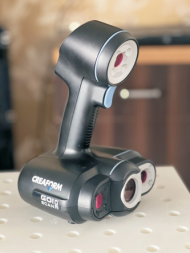
-
Call us anytime
+91 99988 89595 - Info@Jet3dscan.Com
-
23/A Mrudul Park, Part 2, Sattadhar Cross Road, Sola Road, Ahmedabad-380061. Gujarat, INDIA.
-
 India Office
-
23/A Mrudul Park, Part 2, Sattadhar Cross Road, Sola Road, Ahmedabad-380061. Gujarat, INDIA.
- +91 99988 89595
- +91 94260 08878
- Info@Jet3dscan.Com
-
-
 Canada Office
-
WINDSOR, ONTARIO, CANADA
- +1 204 998-7772
- Info@Jet3dscan.Com
-


PHOTOGRAMMETRY

Photogrammetry is a technique used to extract three-dimensional (3D) informa on from two-dimensional (2D) photographs. It involves taking mulPple overlapping photographs of an object, structure, or space, and then using computer so ware to generate a 3D model. This model can be a 3D mesh, point cloud, or other digital representa ons of the object. Photogrammetry works on the principle of triangula on—calcula ng the di erent angles of sight from mulµple camera shots to determine the 3D loca on of points in the scene.
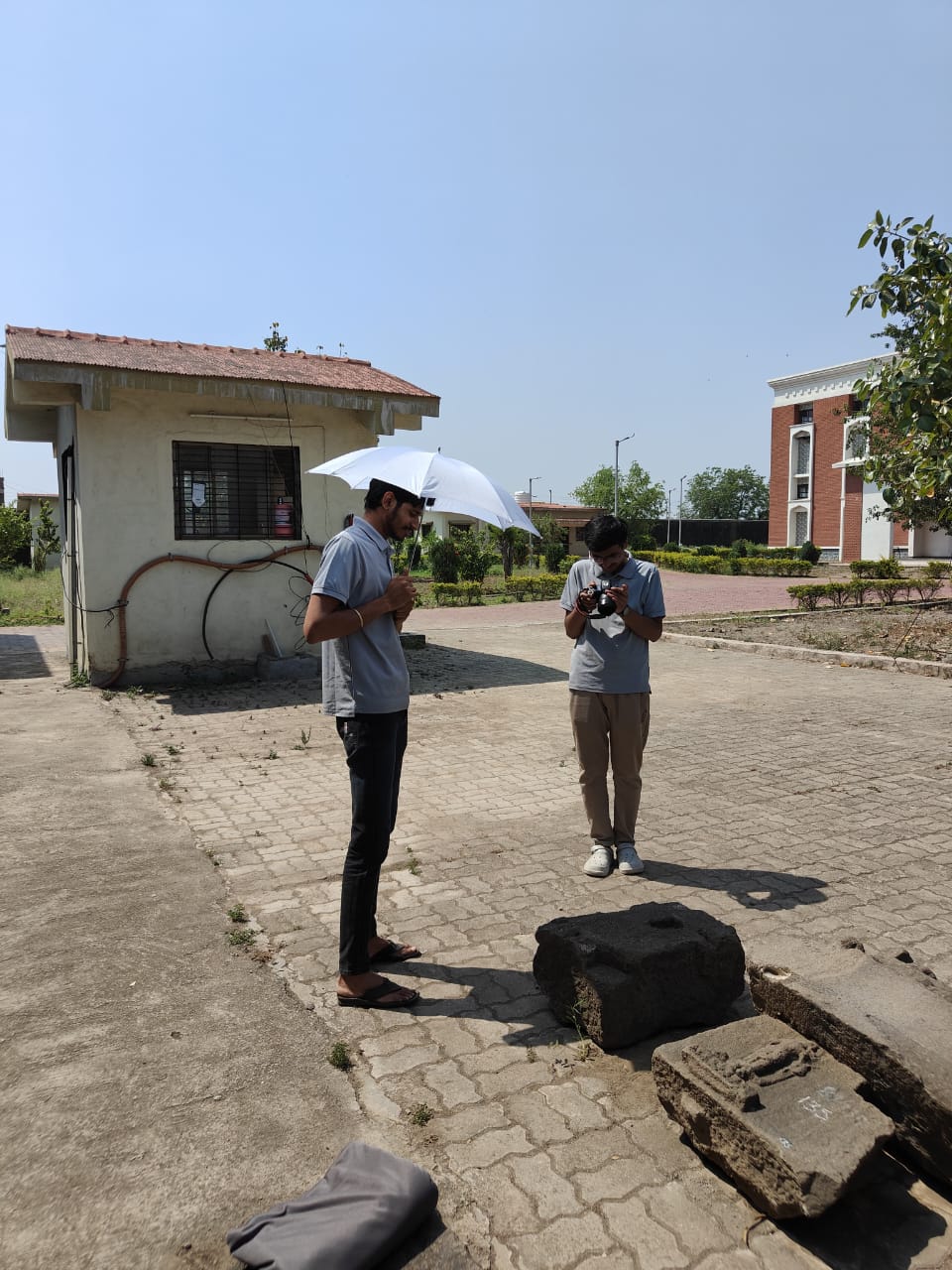
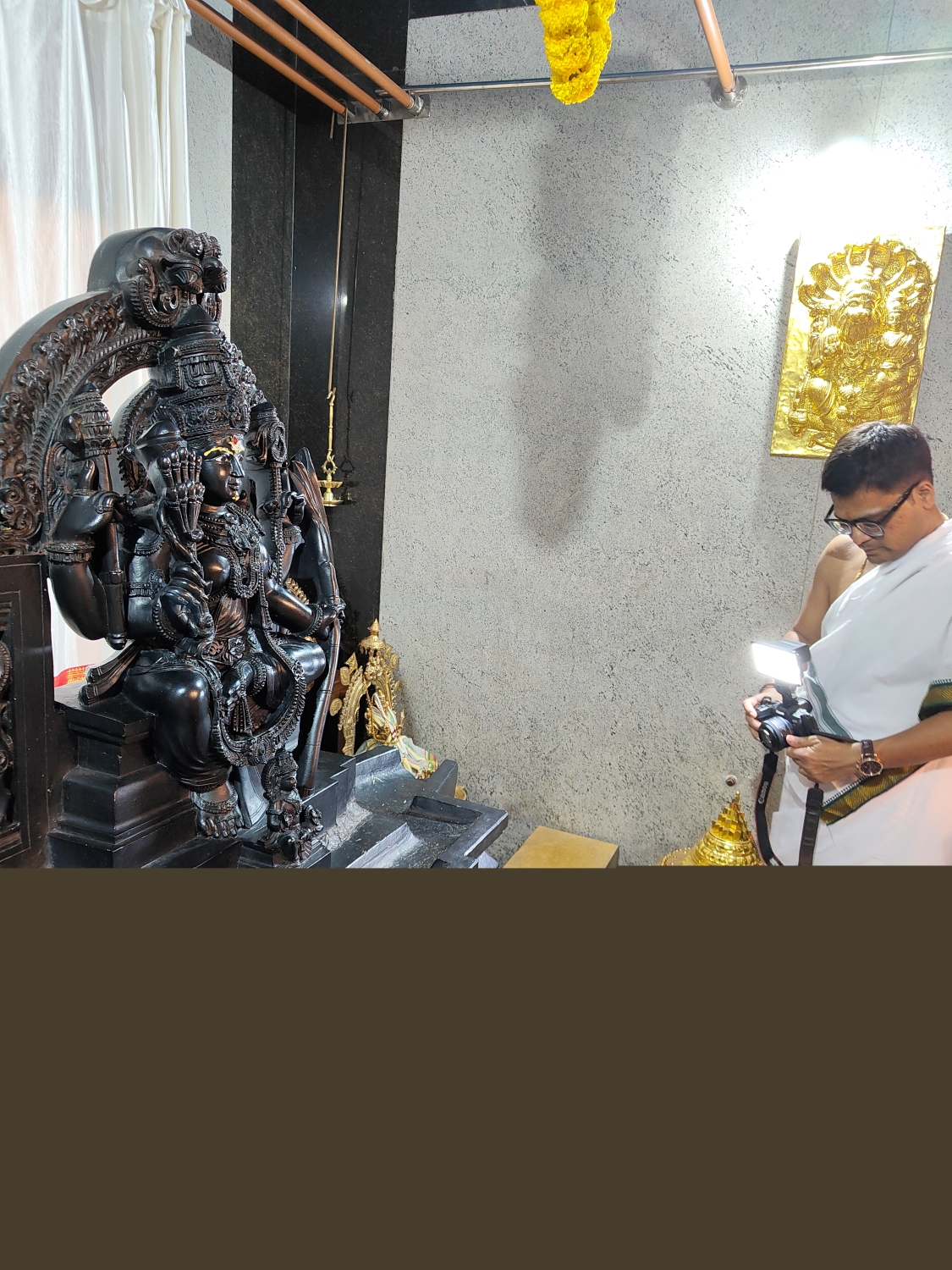
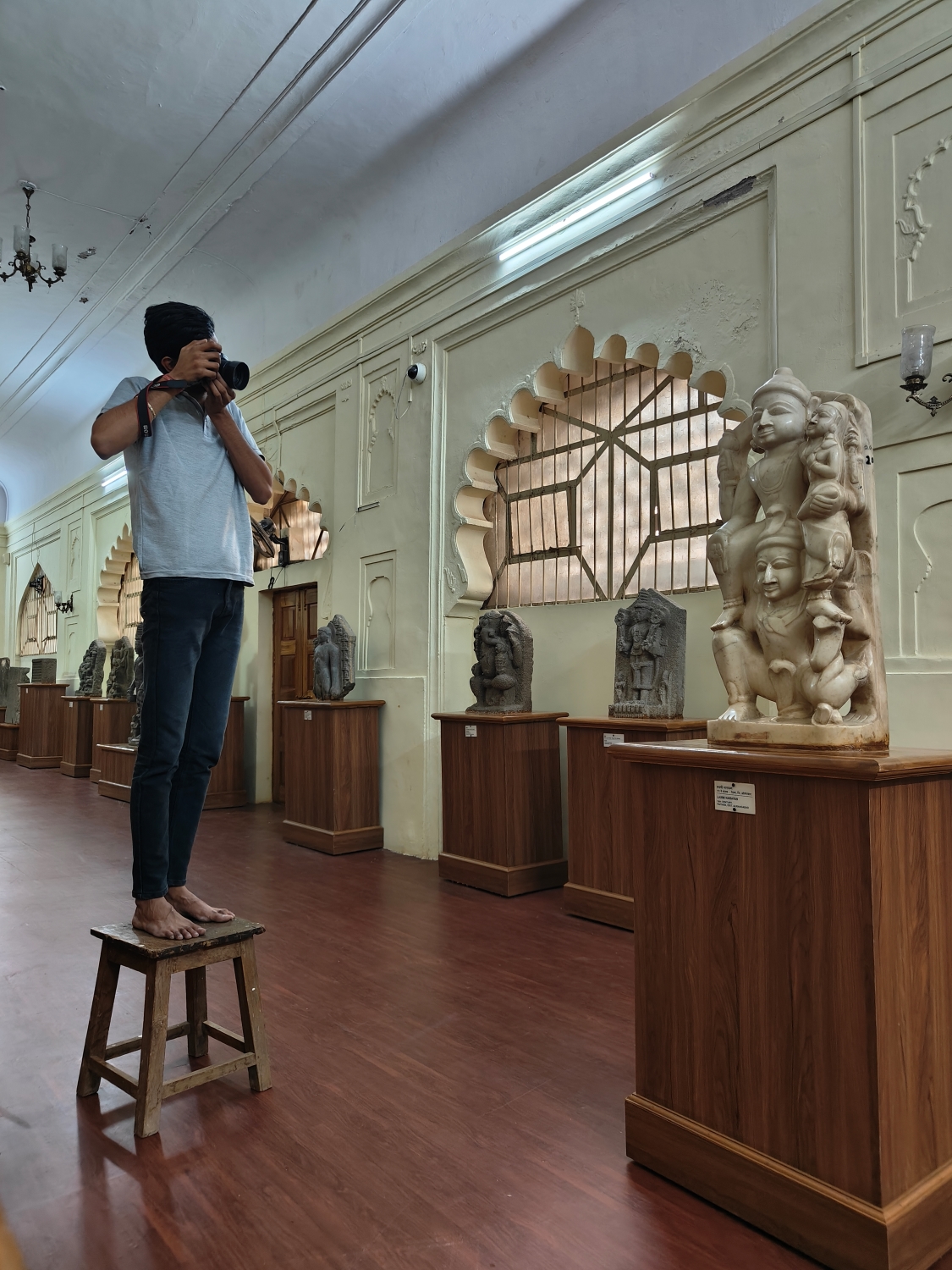
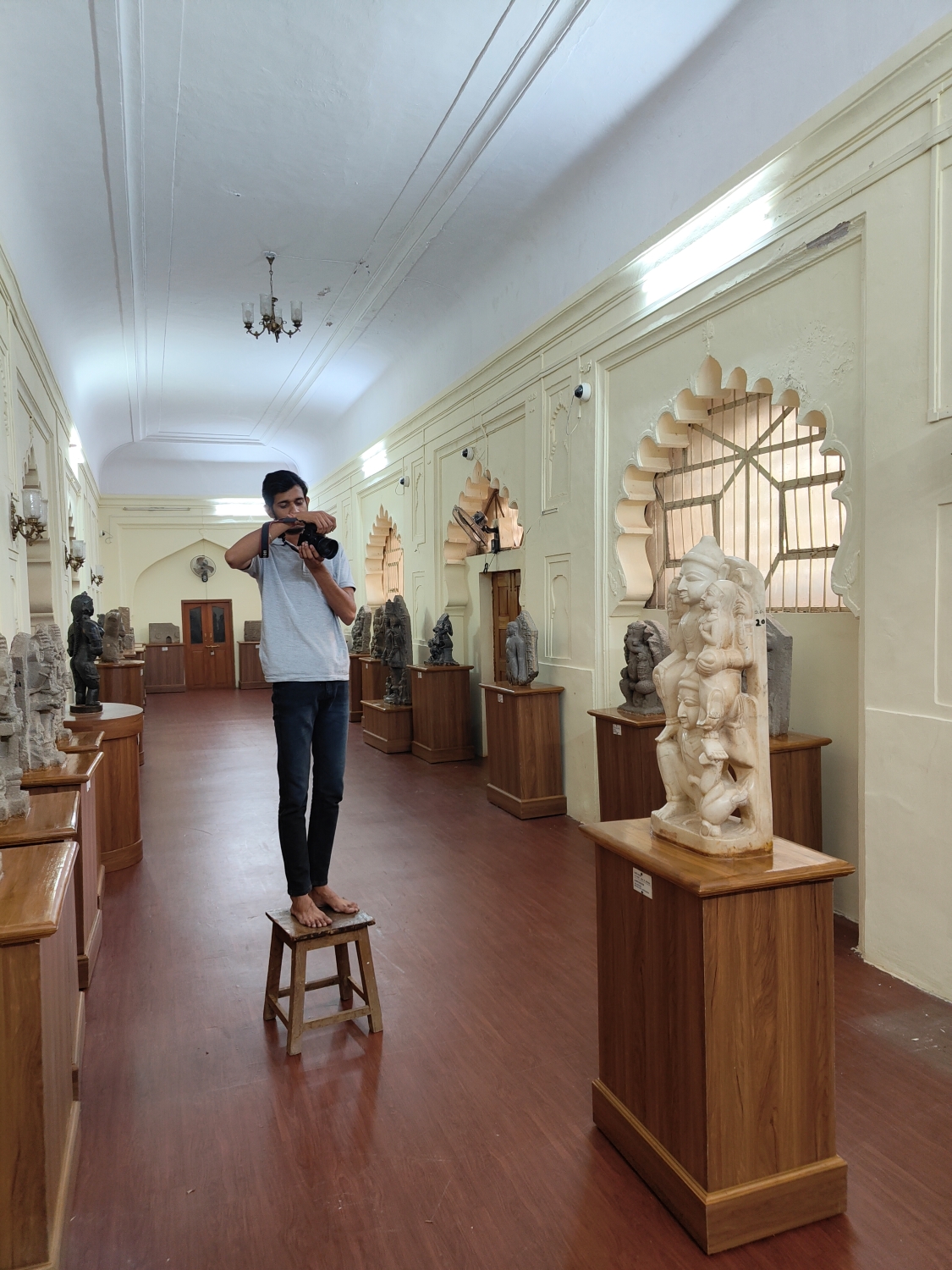
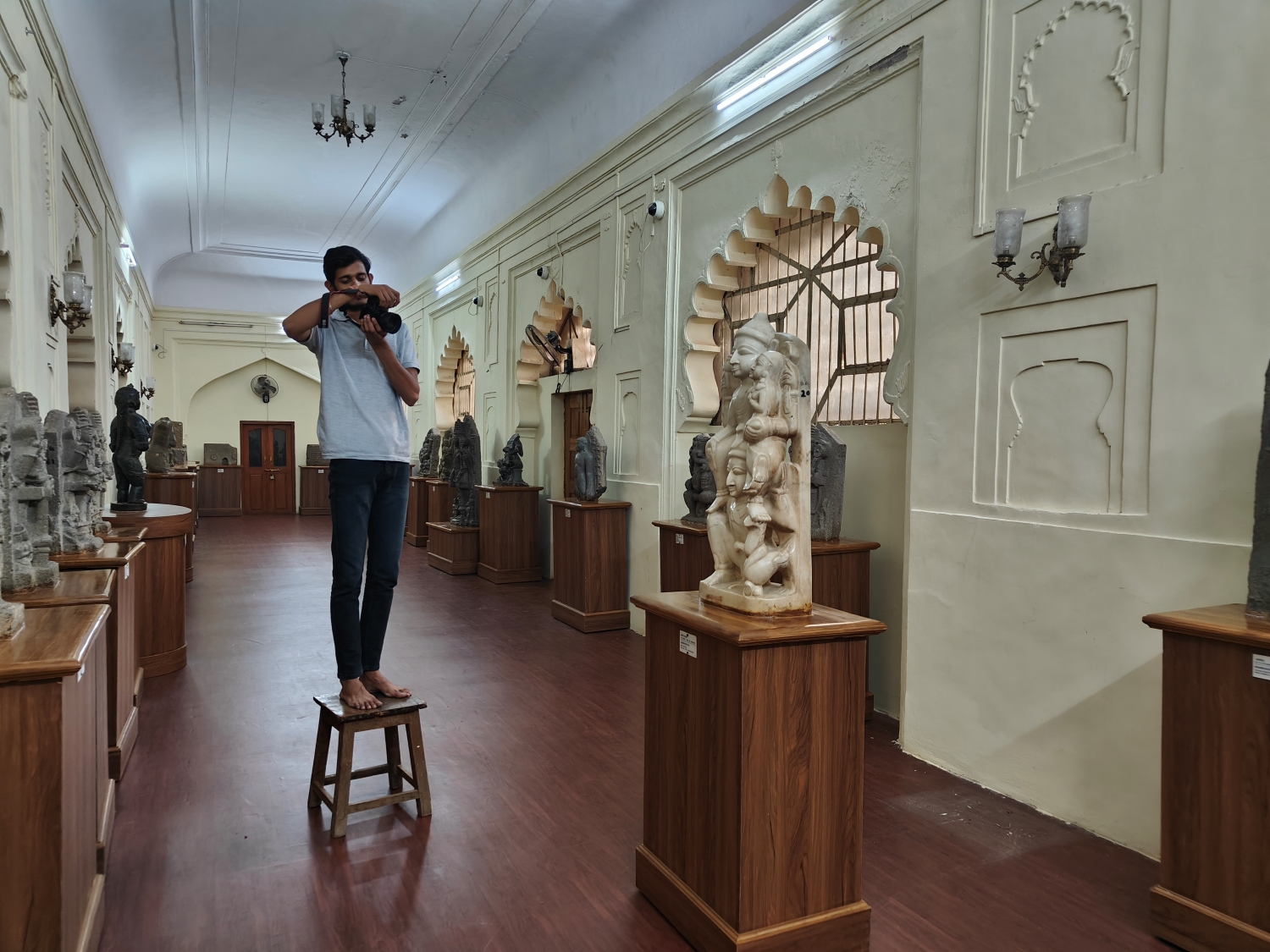
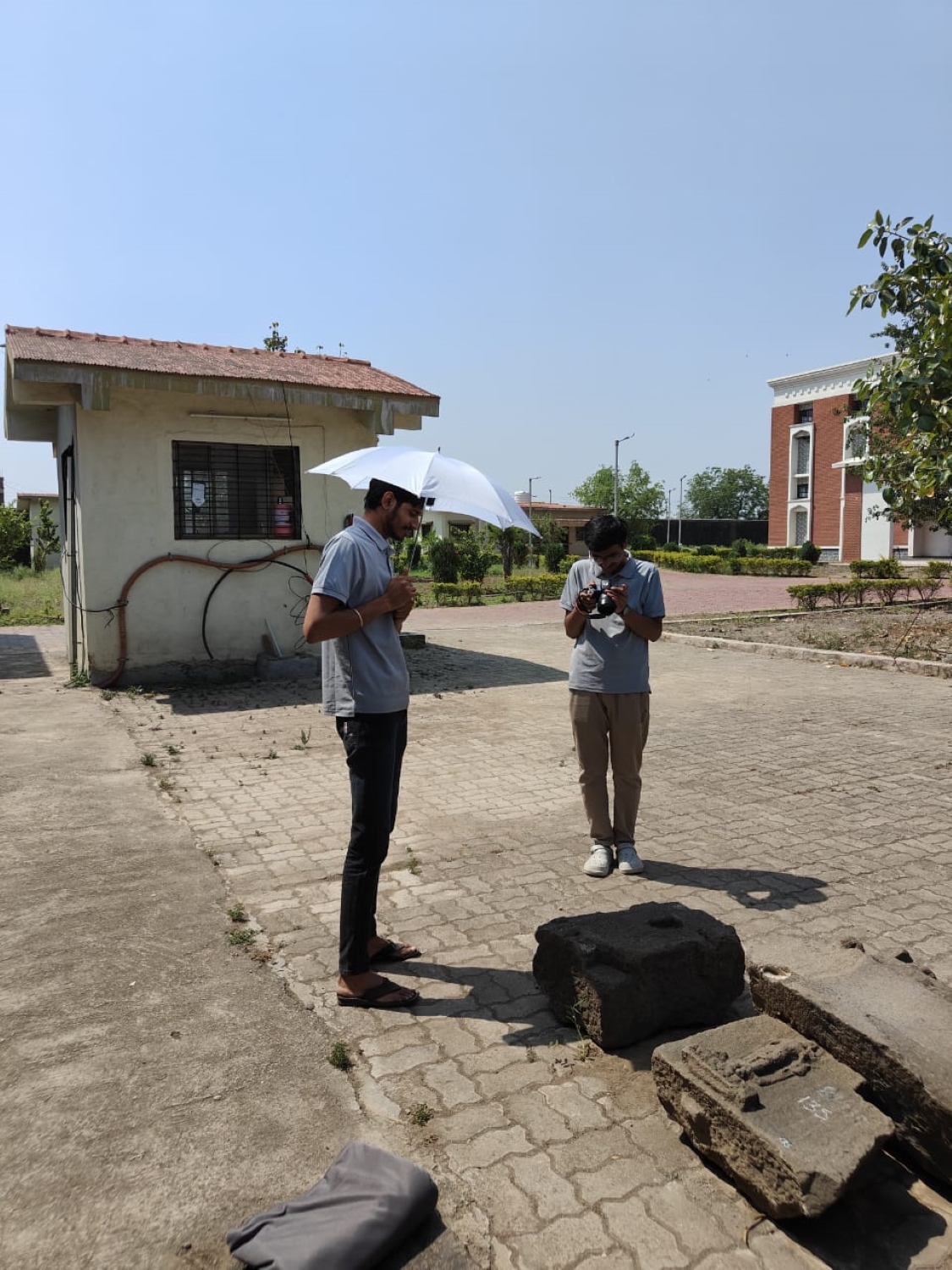
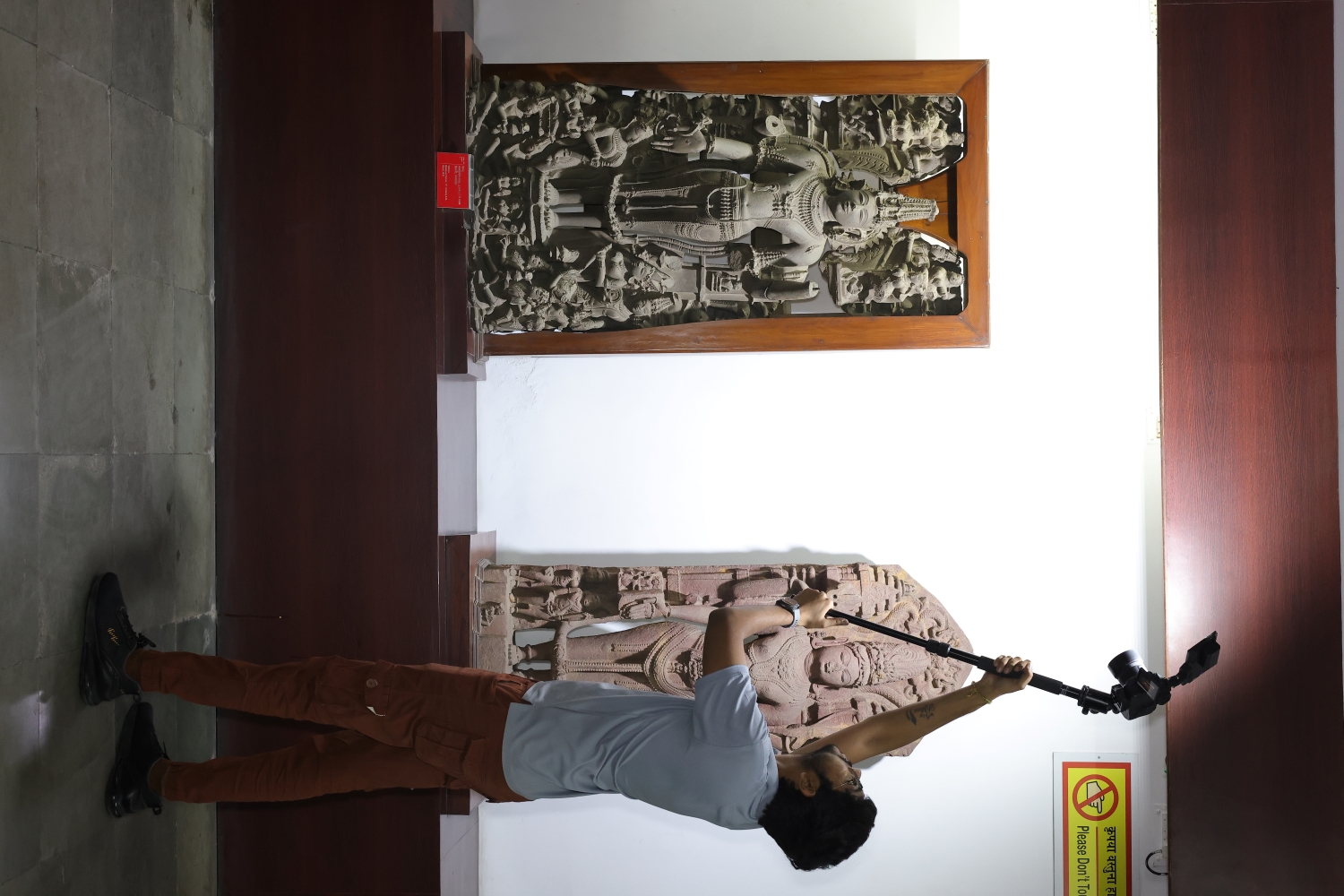
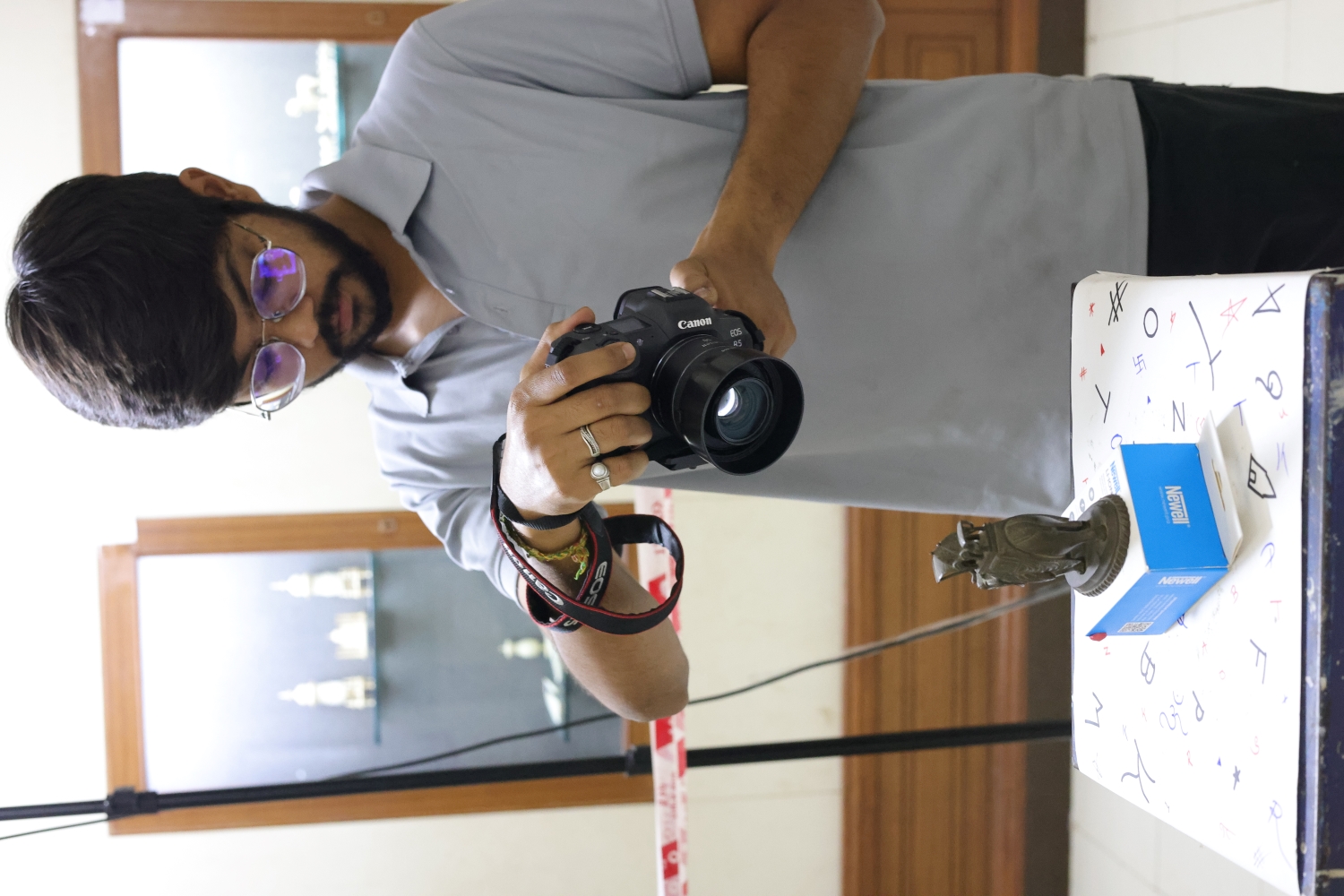
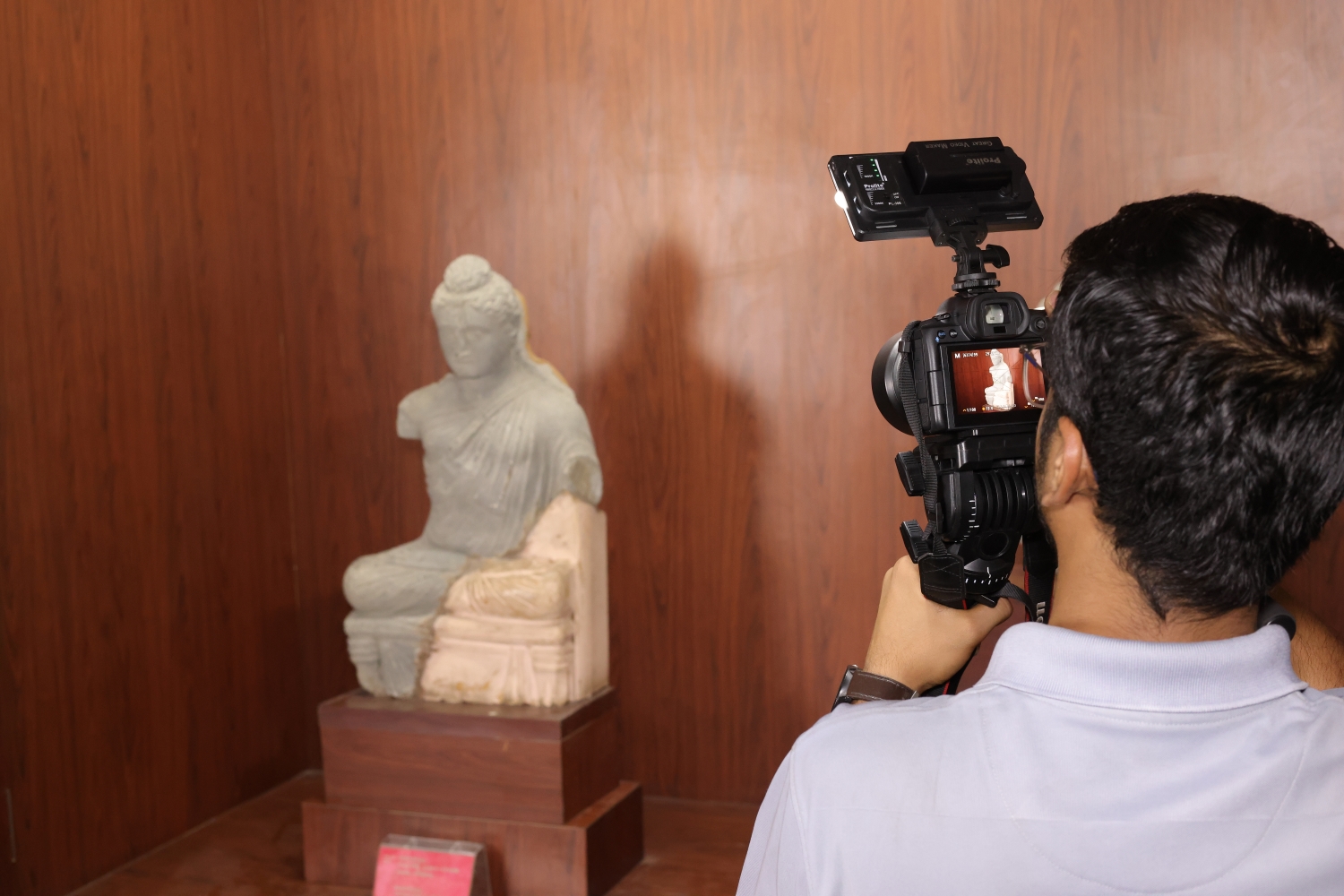
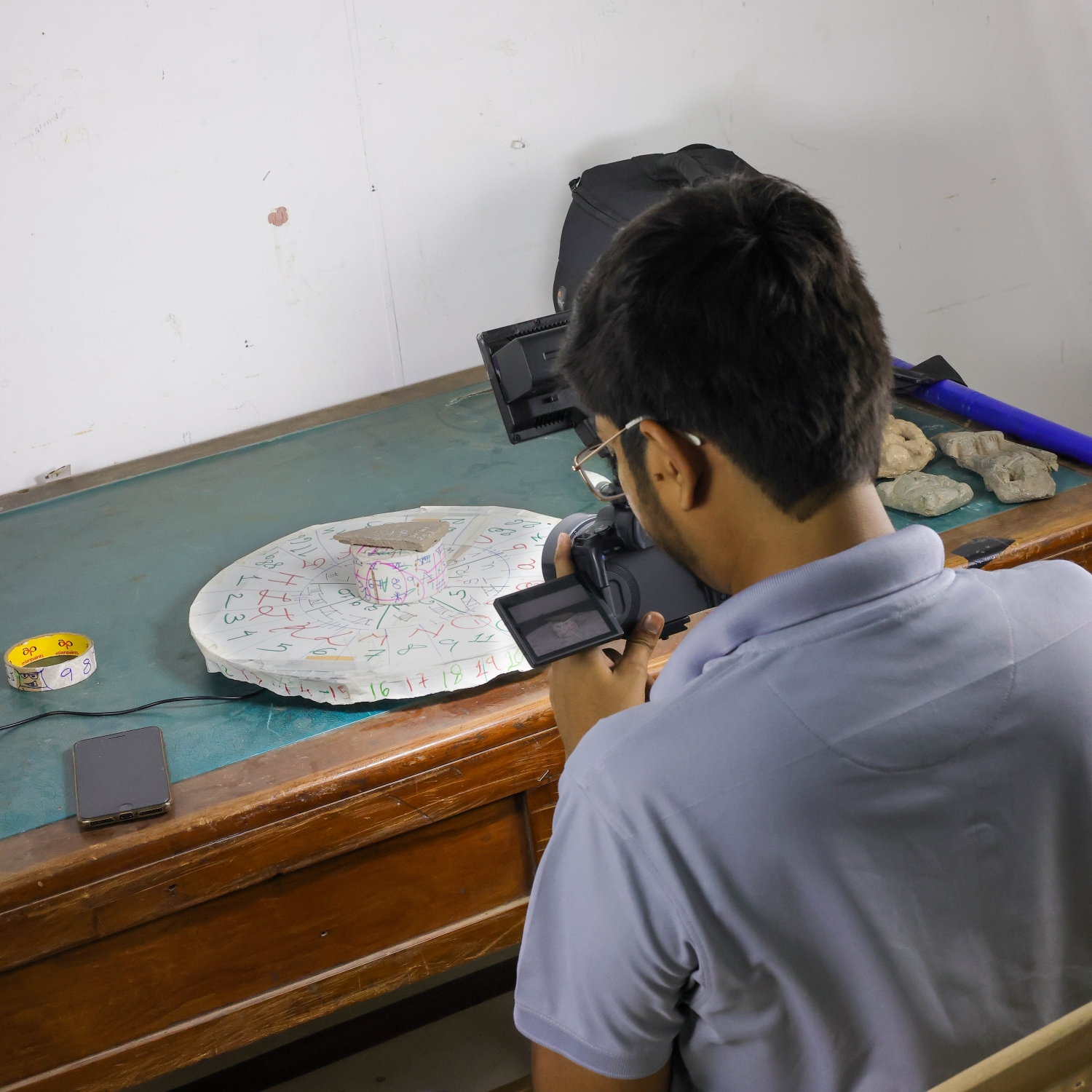
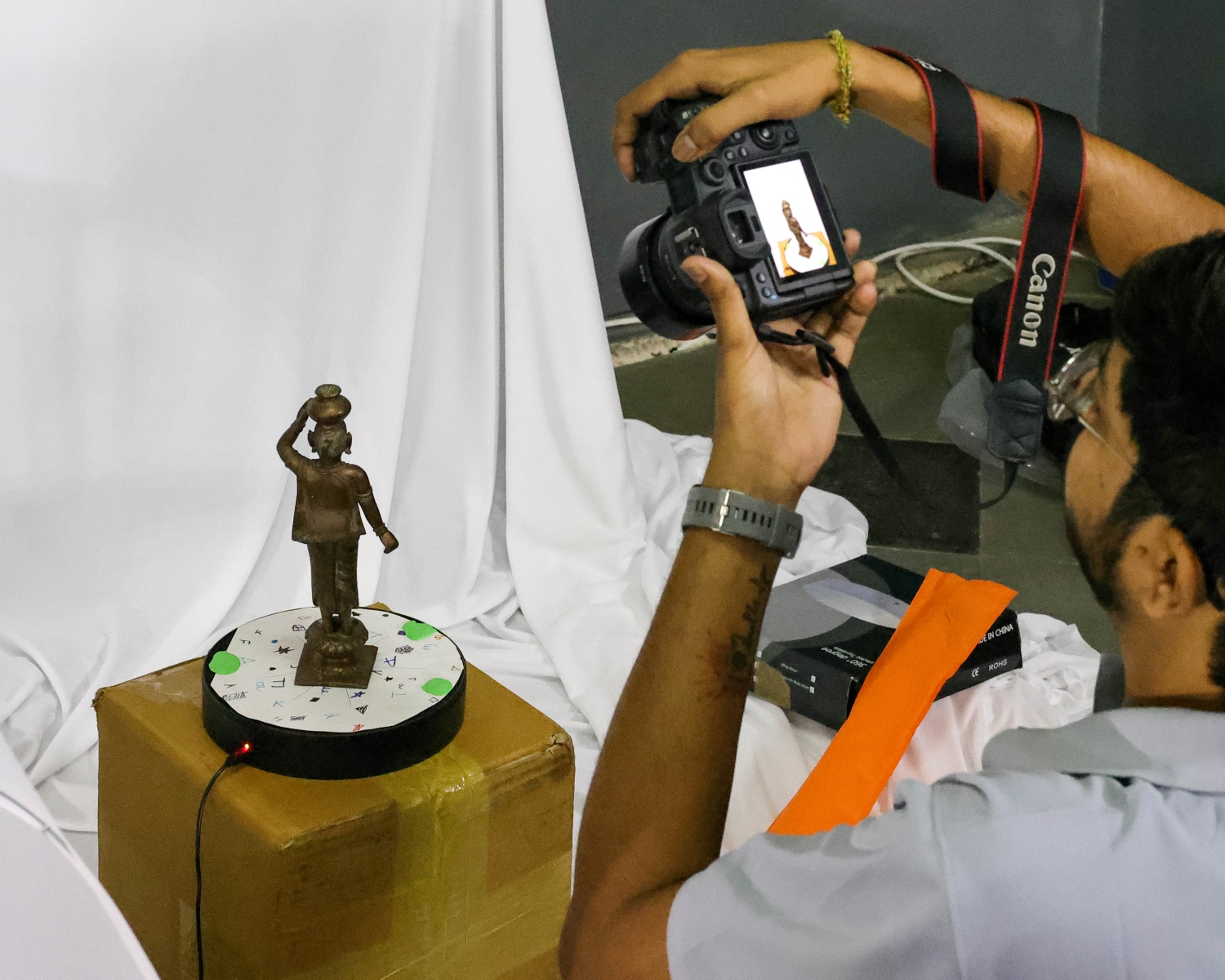
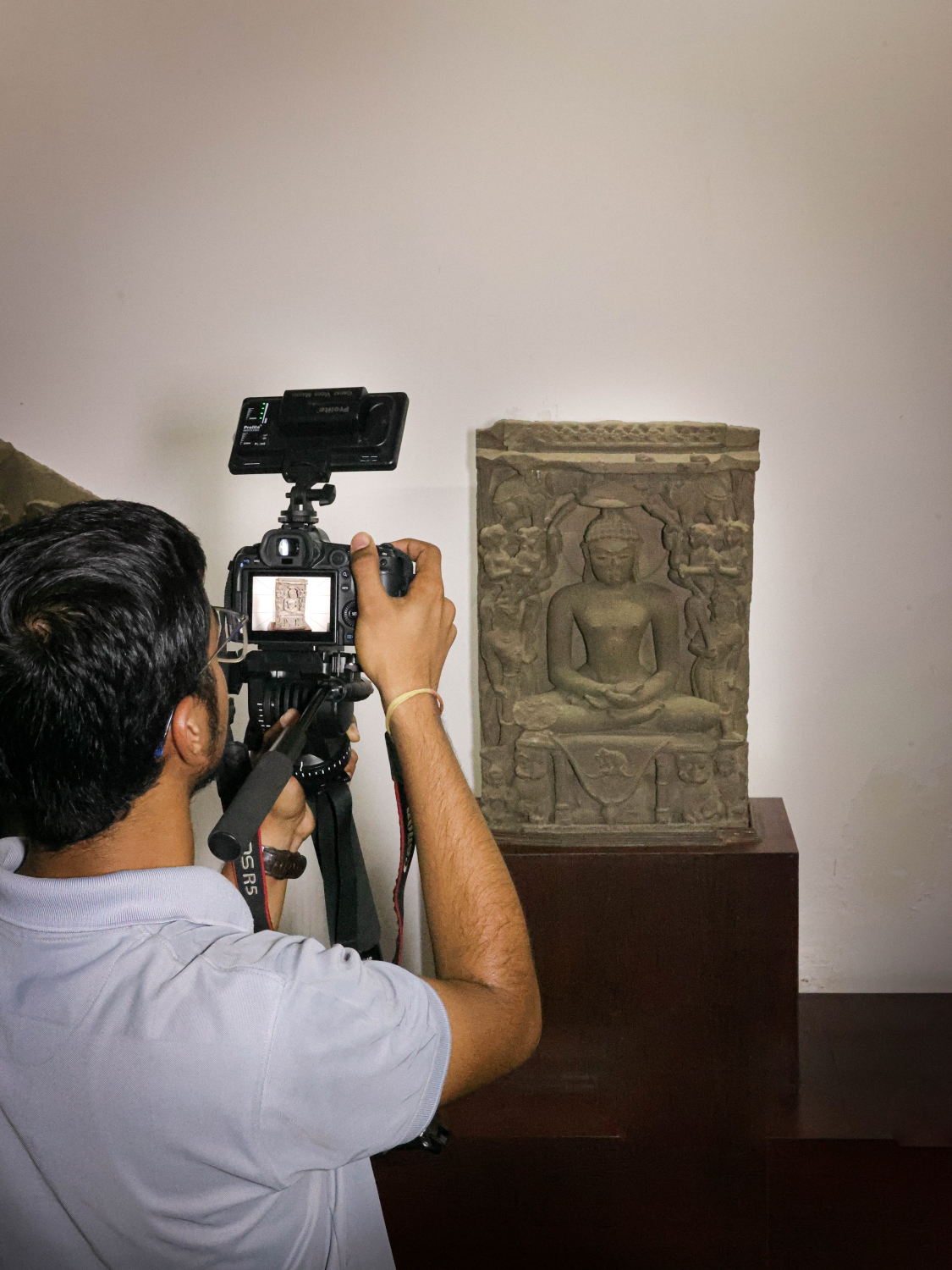
Photogrammetry is a passive optical metrology and computer vision methodology that extracts high-fidelity three-dimensional (3D) geometric and scan data from a series of overlapping two-dimensional (2D) photographic images. The process utilizes principles of projective geometry, epipolar geometry, and optical triangulation, where intersecting rays from calibrated camera locations compute discrete scan coordinates. Modern digital photogrammetry relies on Structure-from-Motion (SfM) and Multi-View Stereo (MVS) algorithms to automatically identify keypoint correspondences across images, solve for sensor orientation, and reconstruct dense 3D point clouds, polygonal meshes, and orthomosaics with sub-millimeter scan accuracy.
CORE VALUE DRIVERS & DOMAIN APPLICATIONS OF DIGITAL PHOTOGRAMMETRY:
- Geoscan Mapping & Surveying: Generates high-resolution georeferenced orthomosaics, Digital Surface Models (DSMs), and Digital Elevation Models (DEMs) for volumetric analysis, land-use planning, and large-scale topographic mapping.
- Archaeological & Cultural Heritage Documentation: Delivers sub-millimetre non-invasive scan recording, establishing true-colour digital twins, high-density point clouds, and structural models for non-destructive conservation, virtual curation, and H-BIM integration.
- AEC & Infrastructure Engineering: Accelerates Building Information Modelling (BIM) integration, site progression monitoring, design visualization, and structural deformation analysis across civil and industrial construction projects.
- Aerospace & Automotive Metrology: Facilitates non-contact optical deformation tracking, aerodynamic surface modelling, crash-test dynamic analysis, and sub-millimetre component verification for high-precision manufacturing.
- Forensic Scan Reconstruction: Produces immutable, sub-centimetre accurate 3D scene documentation for ballistics trajectory analysis, vehicle collision reconstruction, and objective virtual courtroom presentations.
 First of all Thank you to get done my work "Excellent", very supportive team, excellent service on time delivery. Sound in knowledge and Technology, proper guideline to save time and money. Thank You.
It is located at Sola (Ahmedabad). It is provided 3D work as Drawing,Inspection,Simulation and other 3D related Works.also i appreciation on him service.
Very very good experience Jayneel Patel.. Always ready to do critical work and give best results..
Excellent works quality, very good person as a businessman….
Given material before committed time…...
Excellent service provider.I want Reverse engineering & 3D scan model and they give me great response.Very very very impressive and accurate work.
The team is very cooperative and they provide excellent service and support. Has some of the latest technologies and well versed with its applicability. Overall the team is very helpful and had very s...
Excellent services ! They completed the job with high precision and before time! I want Reverse engineering & 3D scan model and they give me great response. Very very very impressive and accurate work...
Great place to make 3D CAD MODELS of your ideas and also to have its wonderful output on 3D printer at very good cost.
First of all Thank you to get done my work "Excellent", very supportive team, excellent service on time delivery. Sound in knowledge and Technology, proper guideline to save time and money. Thank You.
It is located at Sola (Ahmedabad). It is provided 3D work as Drawing,Inspection,Simulation and other 3D related Works.also i appreciation on him service.
Very very good experience Jayneel Patel.. Always ready to do critical work and give best results..
Excellent works quality, very good person as a businessman….
Given material before committed time…...
Excellent service provider.I want Reverse engineering & 3D scan model and they give me great response.Very very very impressive and accurate work.
The team is very cooperative and they provide excellent service and support. Has some of the latest technologies and well versed with its applicability. Overall the team is very helpful and had very s...
Excellent services ! They completed the job with high precision and before time! I want Reverse engineering & 3D scan model and they give me great response. Very very very impressive and accurate work...
Great place to make 3D CAD MODELS of your ideas and also to have its wonderful output on 3D printer at very good cost.