-
Call us anytime
+91 99988 89595 - Info@Jet3dscan.Com
-
23/A Mrudul Park, Part 2, Sattadhar Cross Road, Sola Road, Ahmedabad-380061. Gujarat, INDIA.
-
 India Office
-
23/A Mrudul Park, Part 2, Sattadhar Cross Road, Sola Road, Ahmedabad-380061. Gujarat, INDIA.
- +91 99988 89595
- +91 94260 08878
- Info@Jet3dscan.Com
-
-
 Canada Office
-
WINDSOR, ONTARIO, CANADA
- +1 204 998-7772
- Info@Jet3dscan.Com
-


3D SCANNING

3D Scanning is a non-contact type, non-destructive technology that digitally captures the shape of physical objects using a structured light source or lasers. 3D Scanning is a way to capture a physical object's features, size, color, and shape into the computer cad universe as a digital 3-dimensional representation.
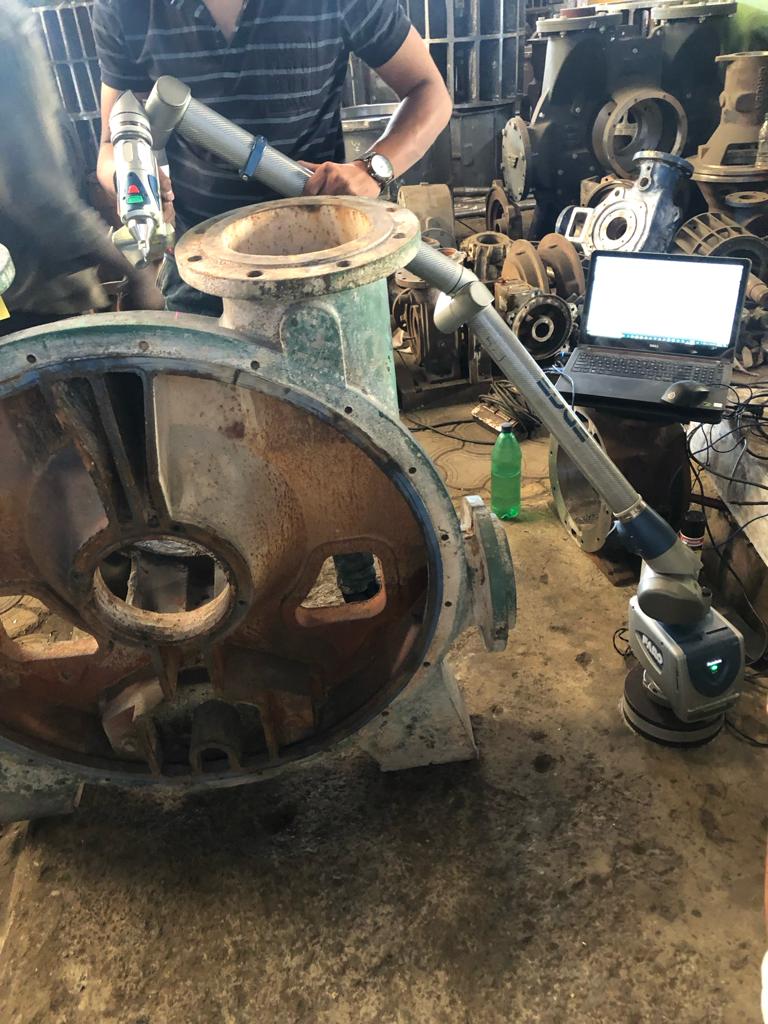
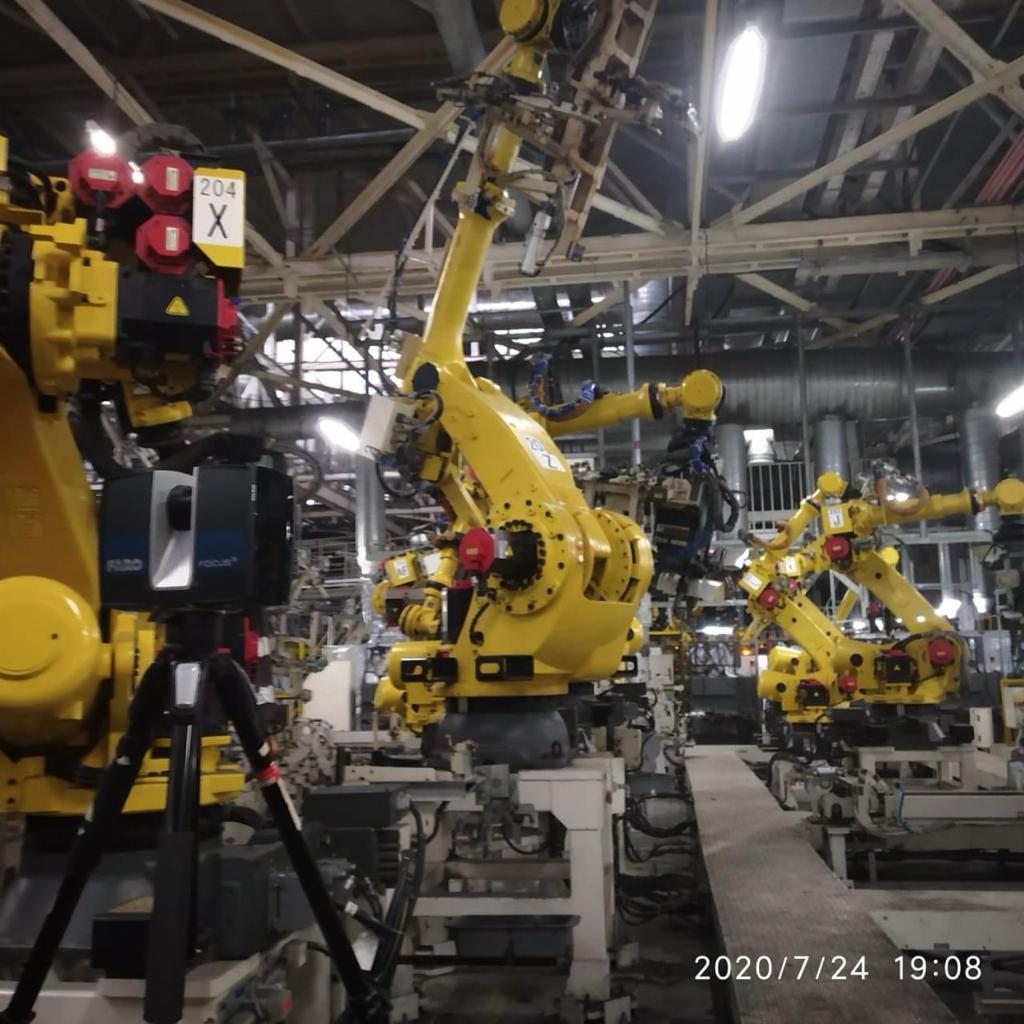
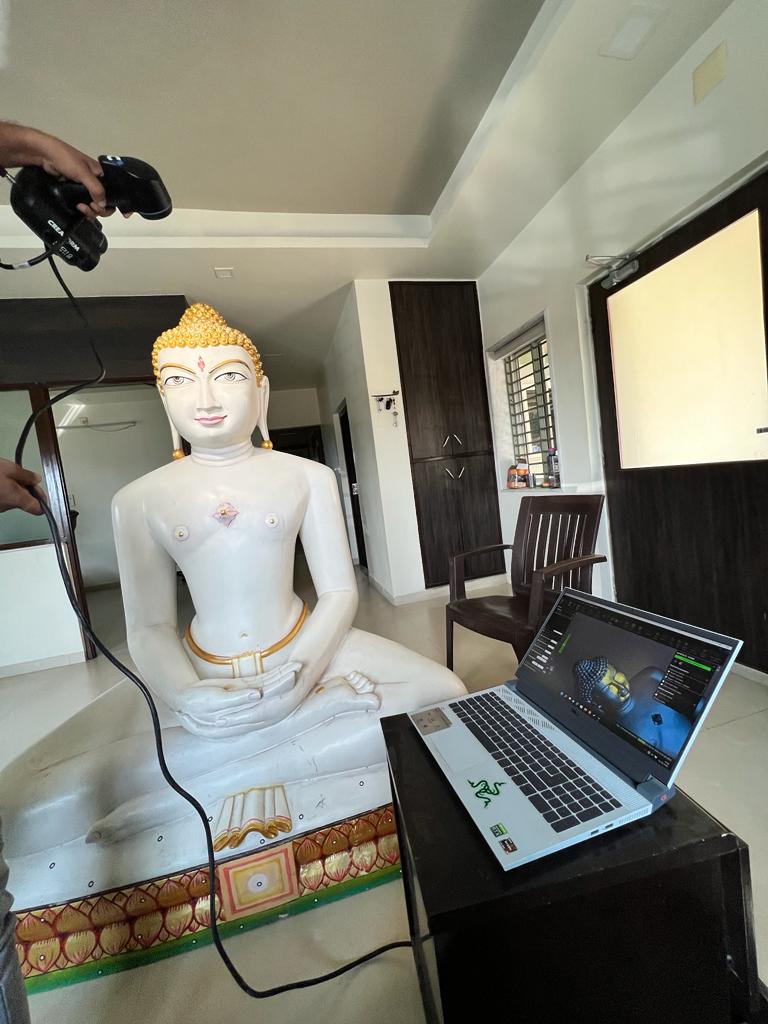
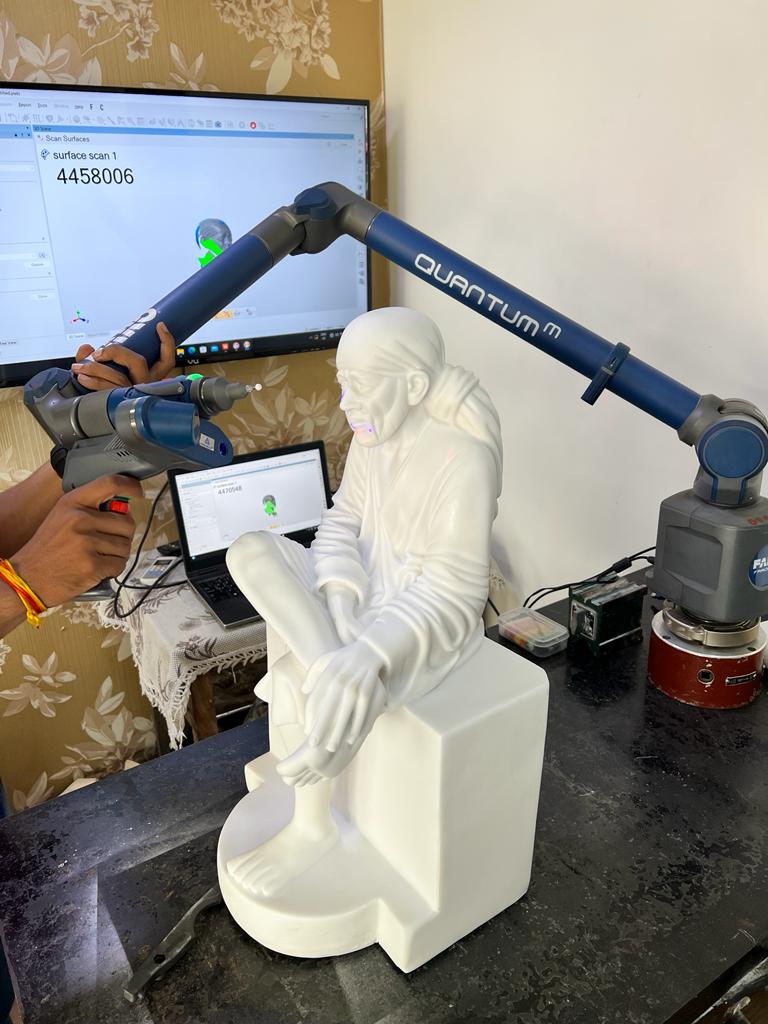
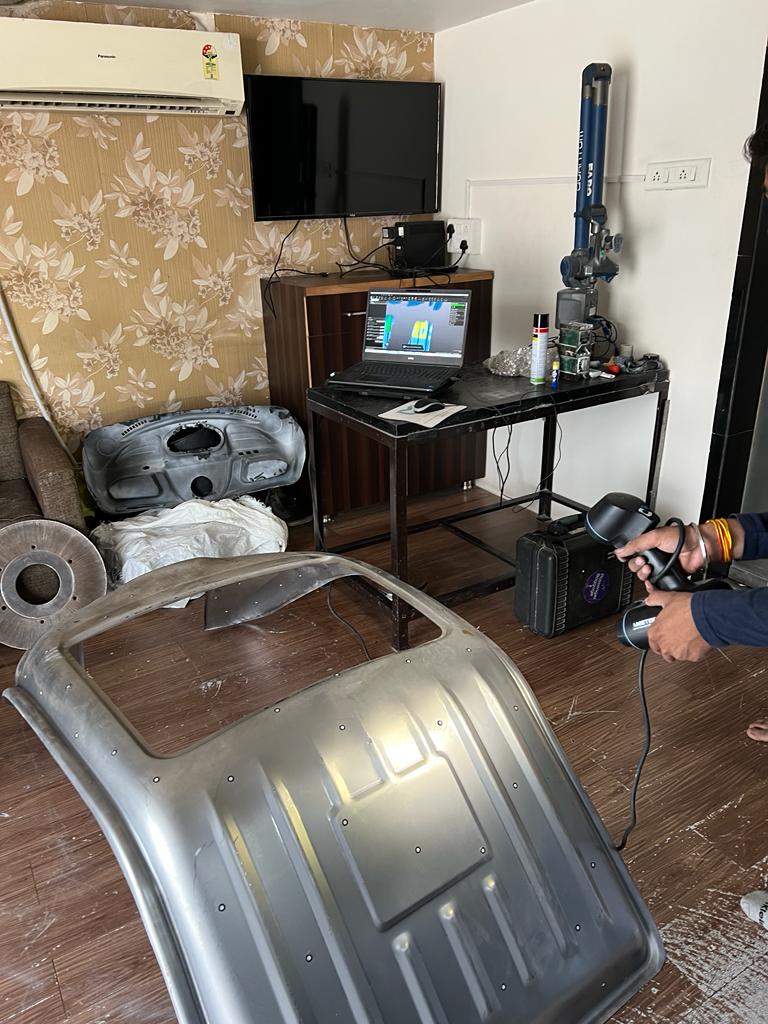
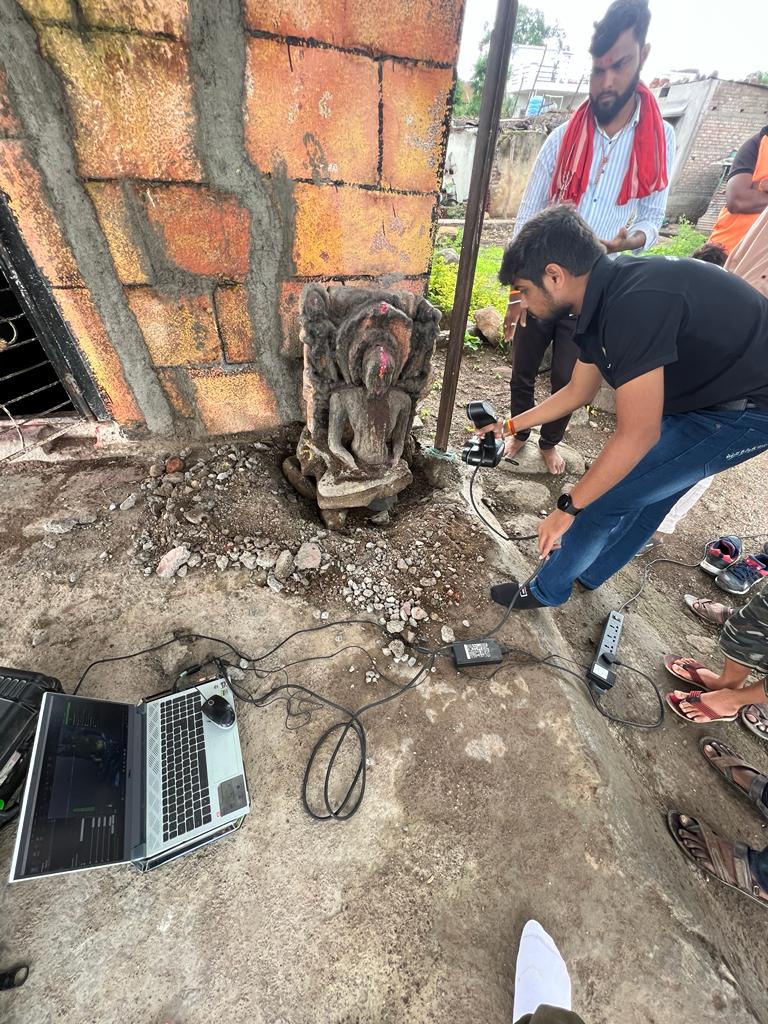
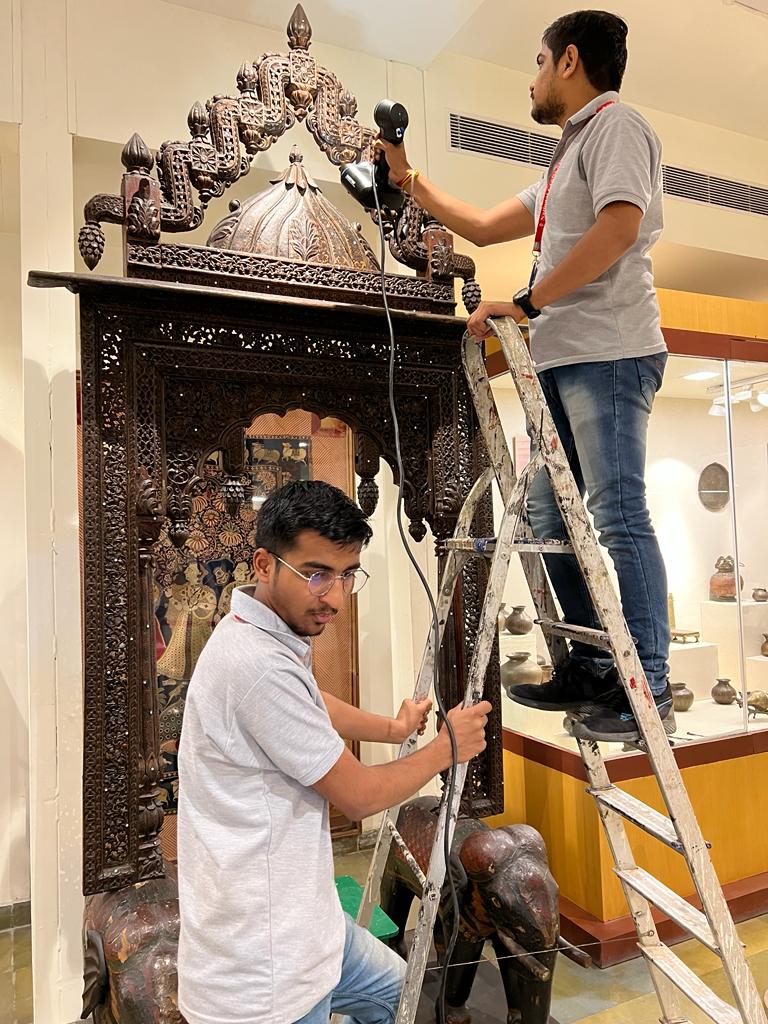
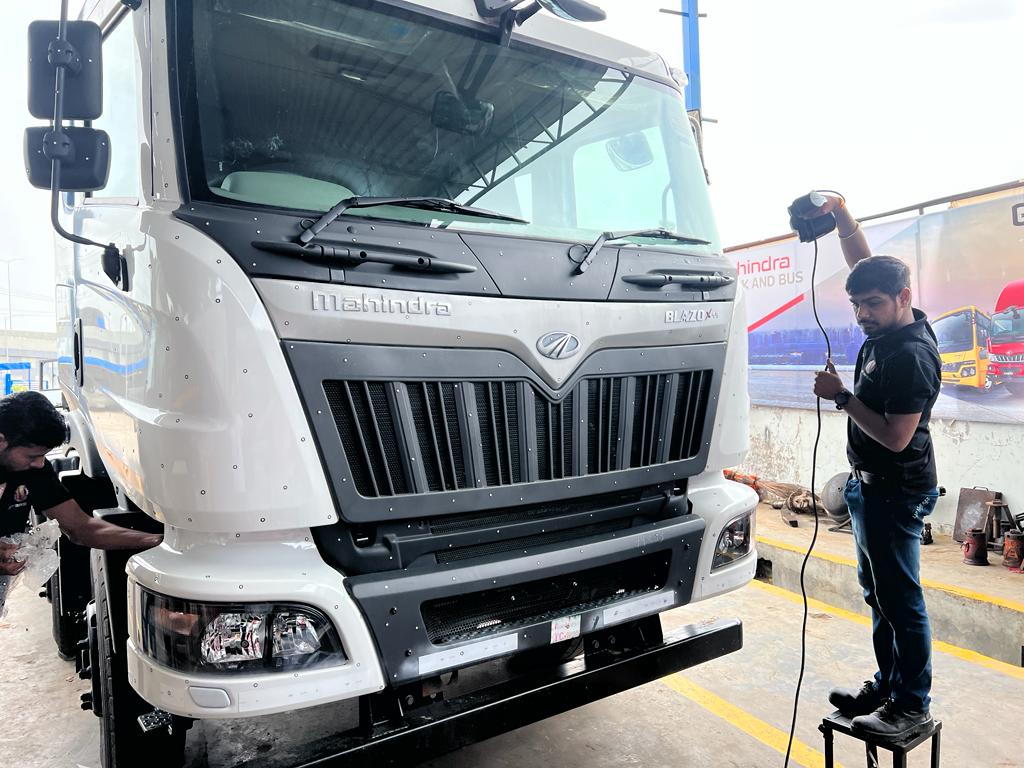
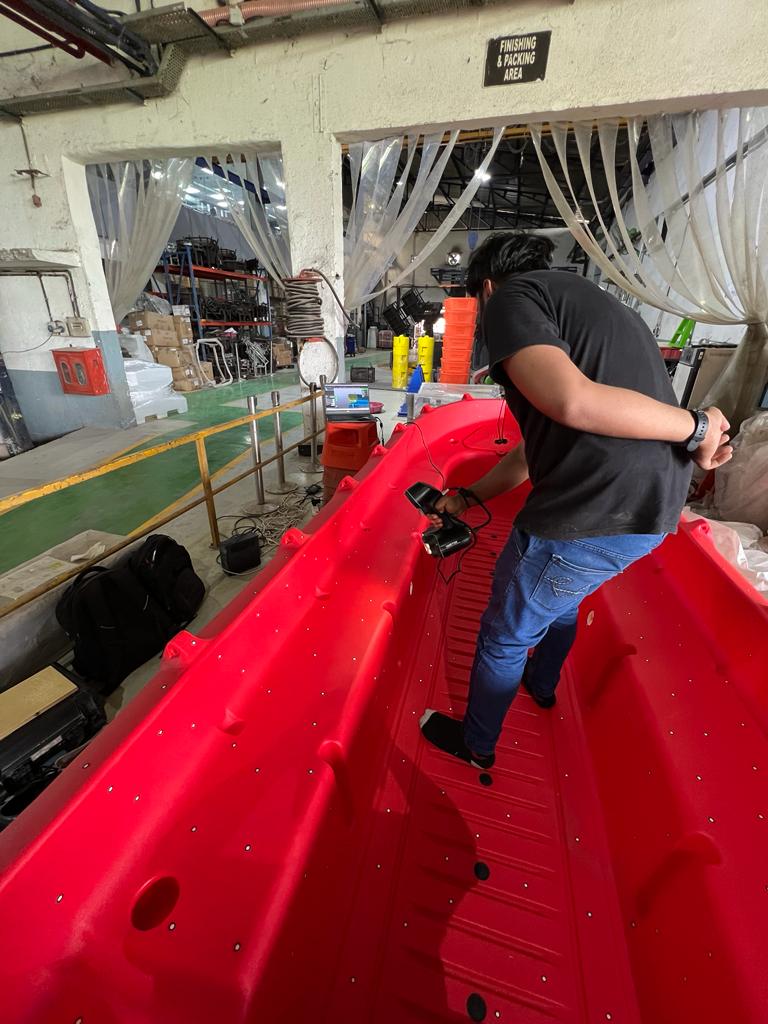
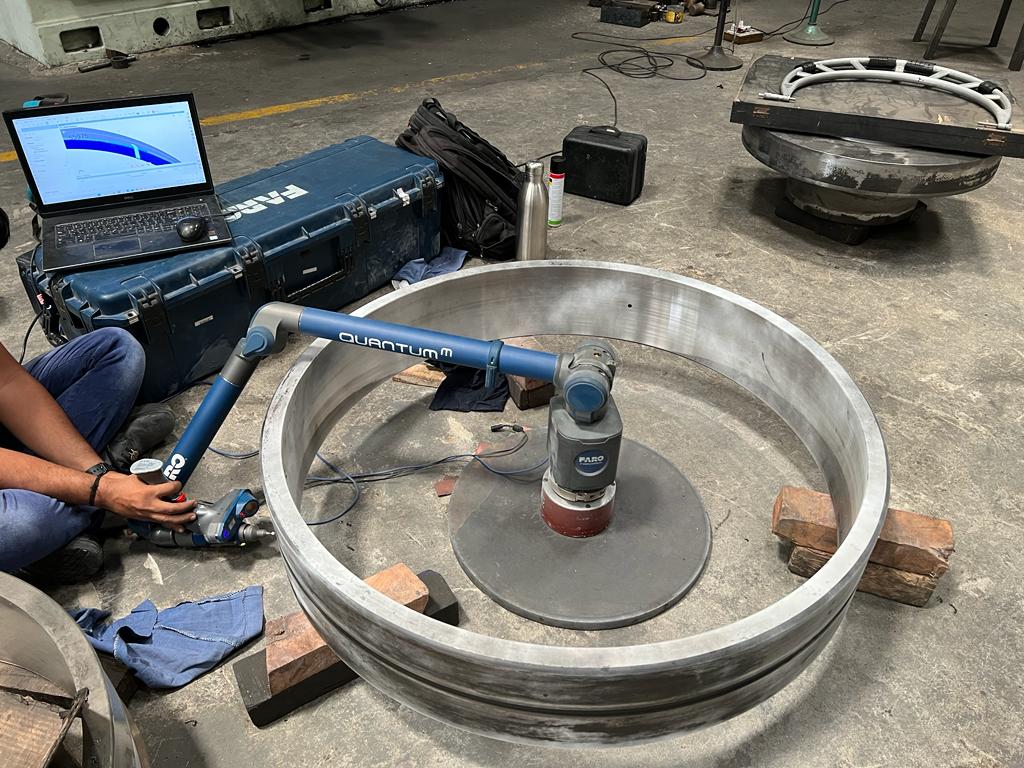
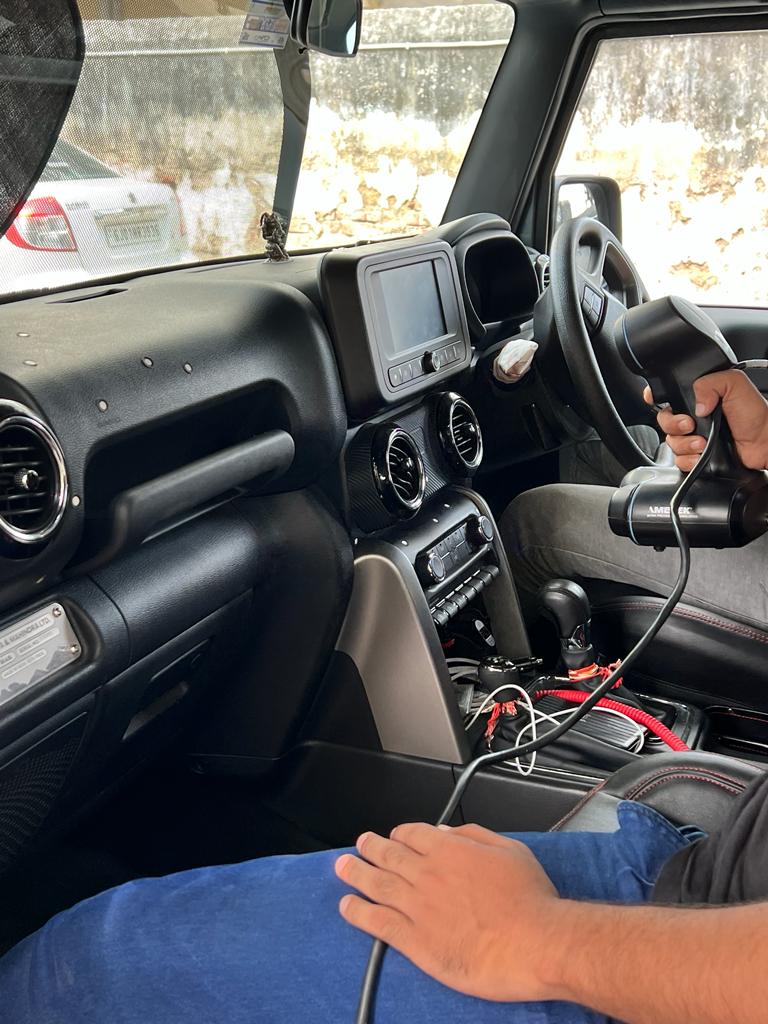
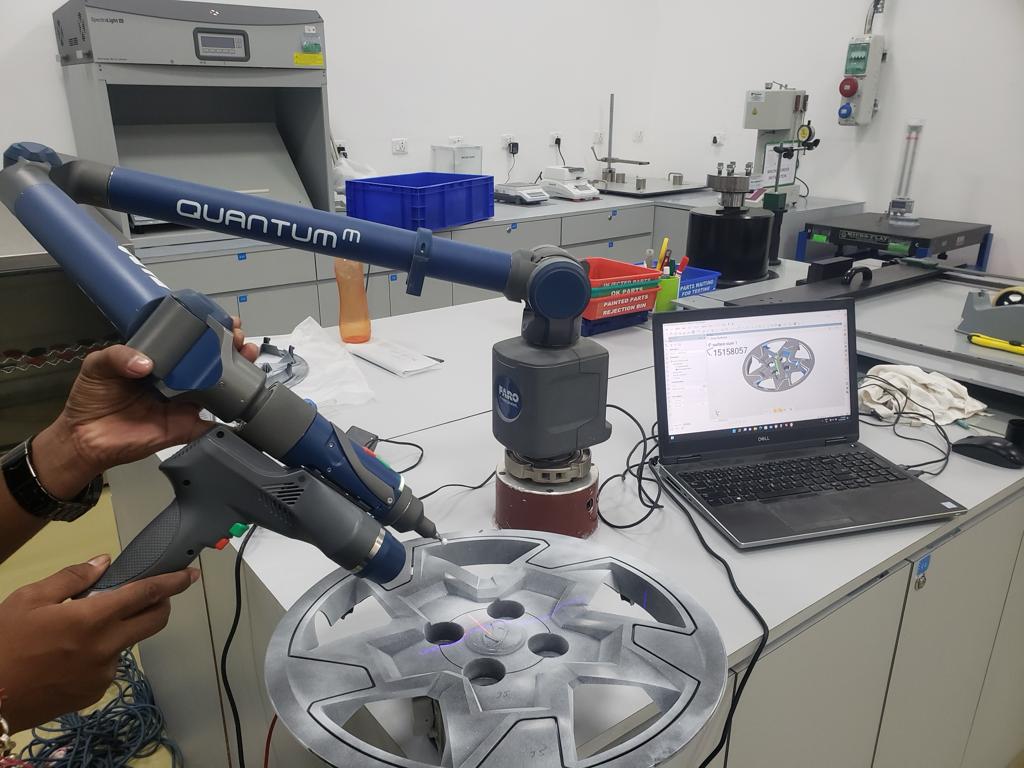
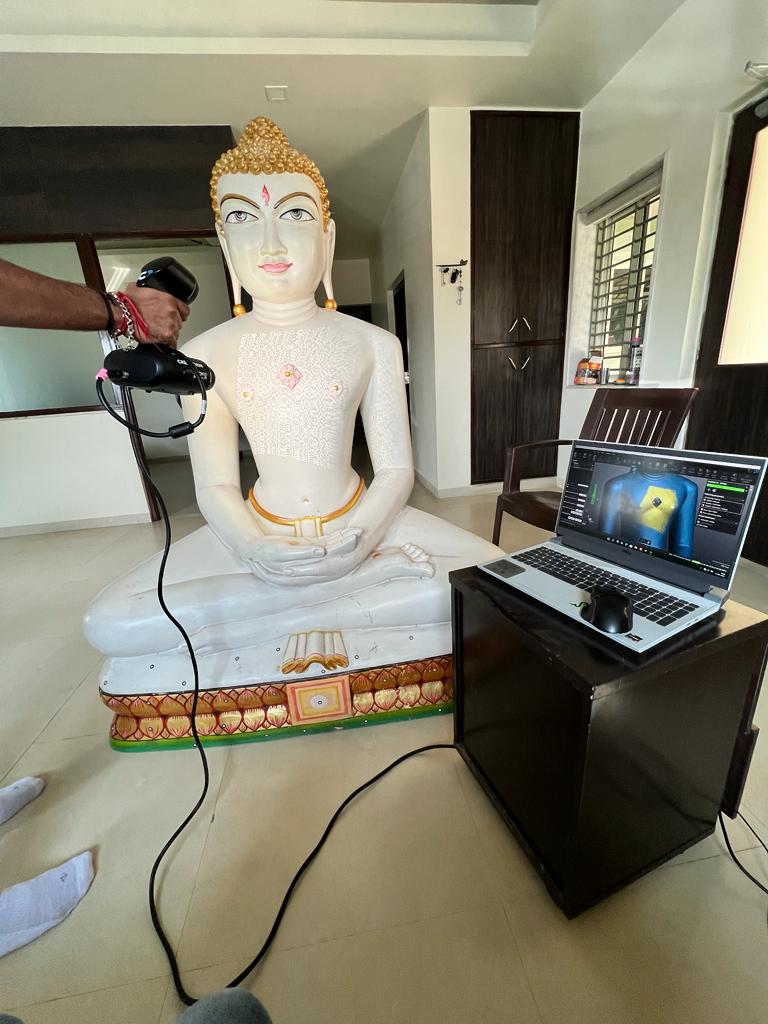
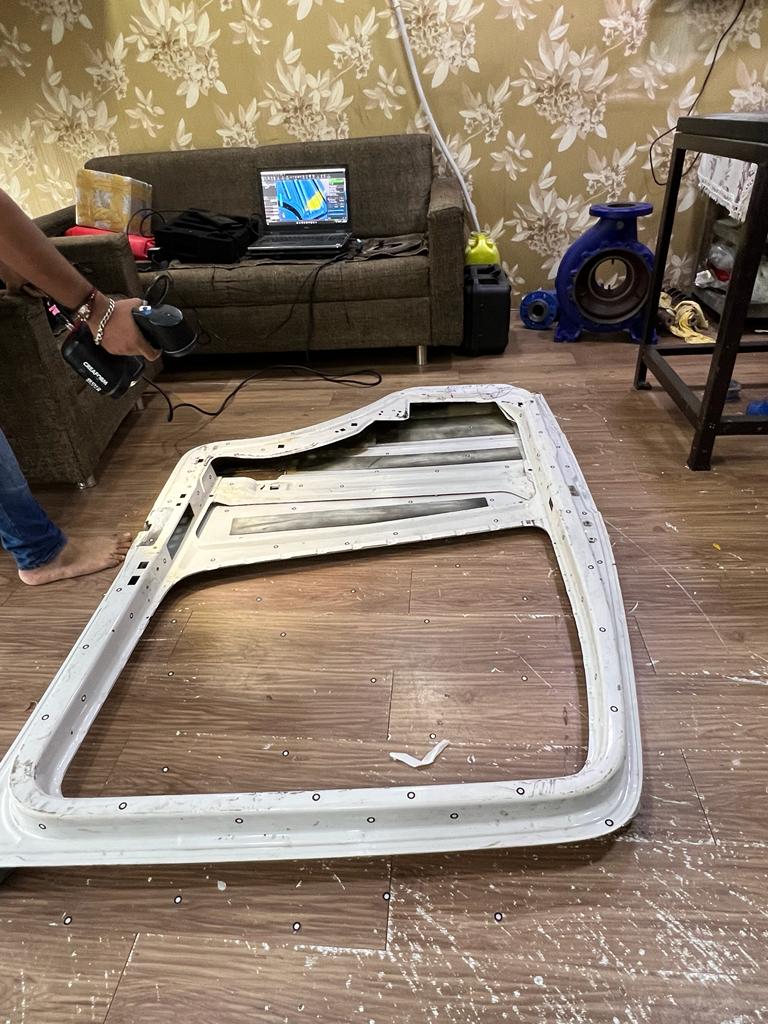
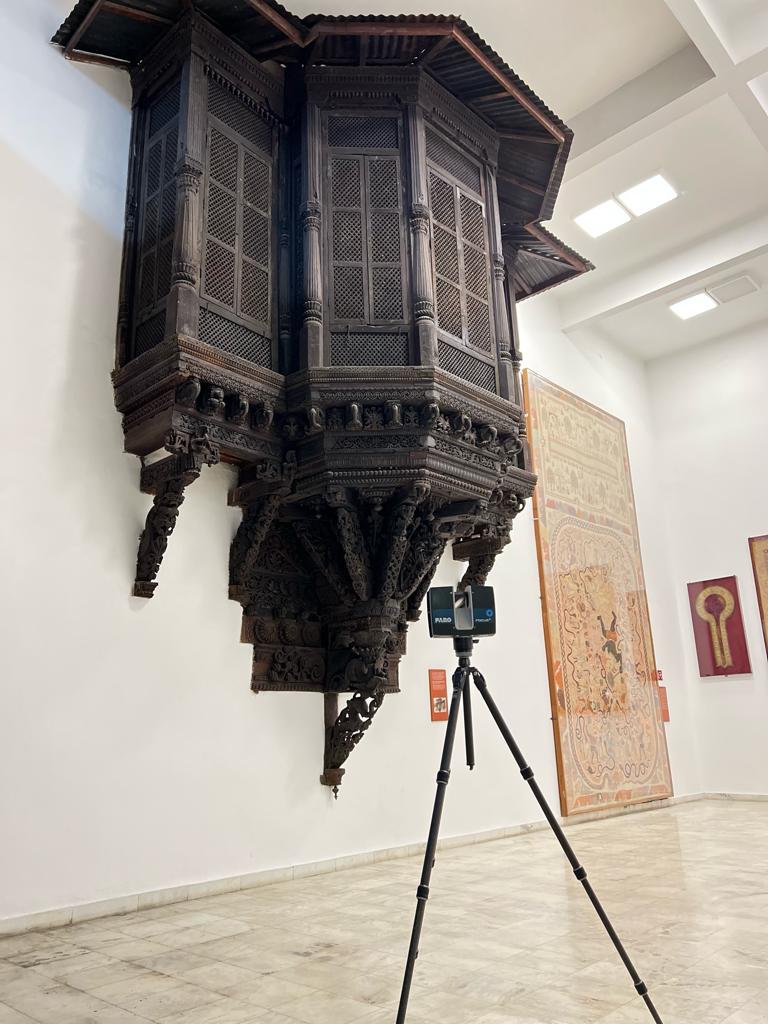
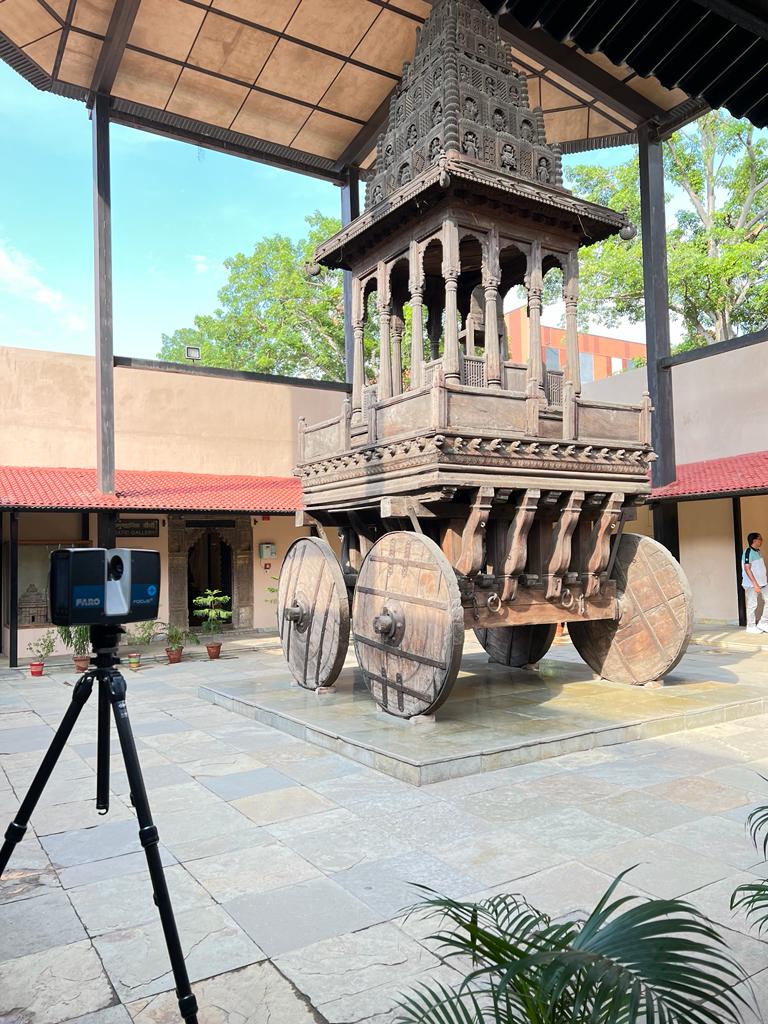
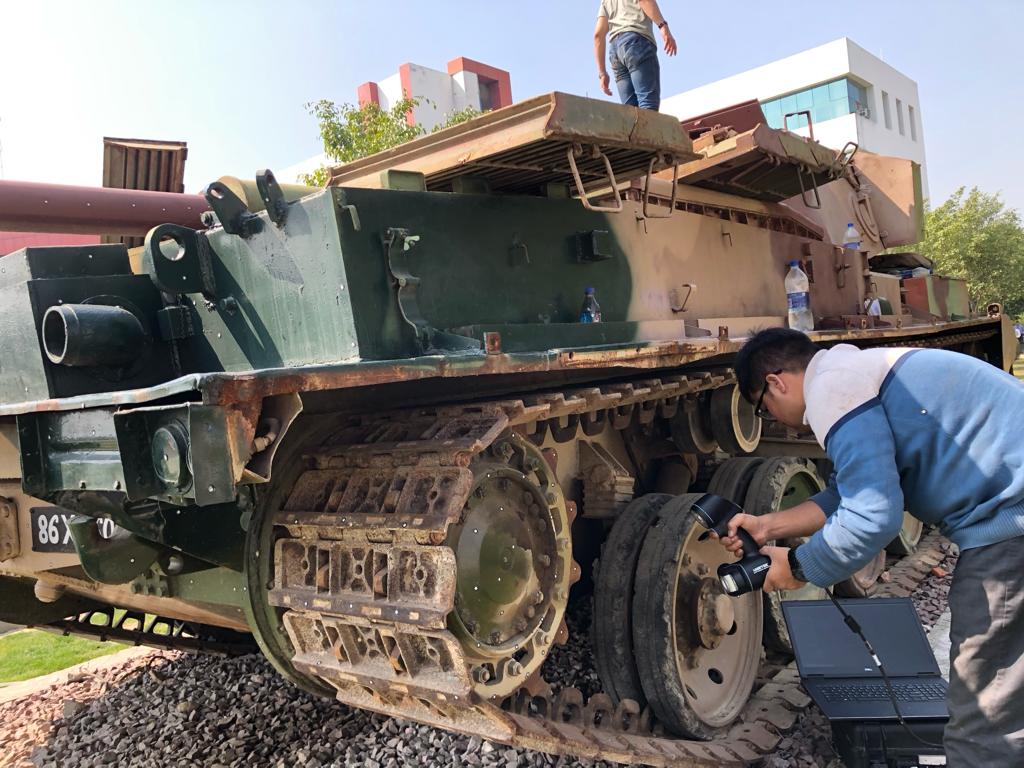
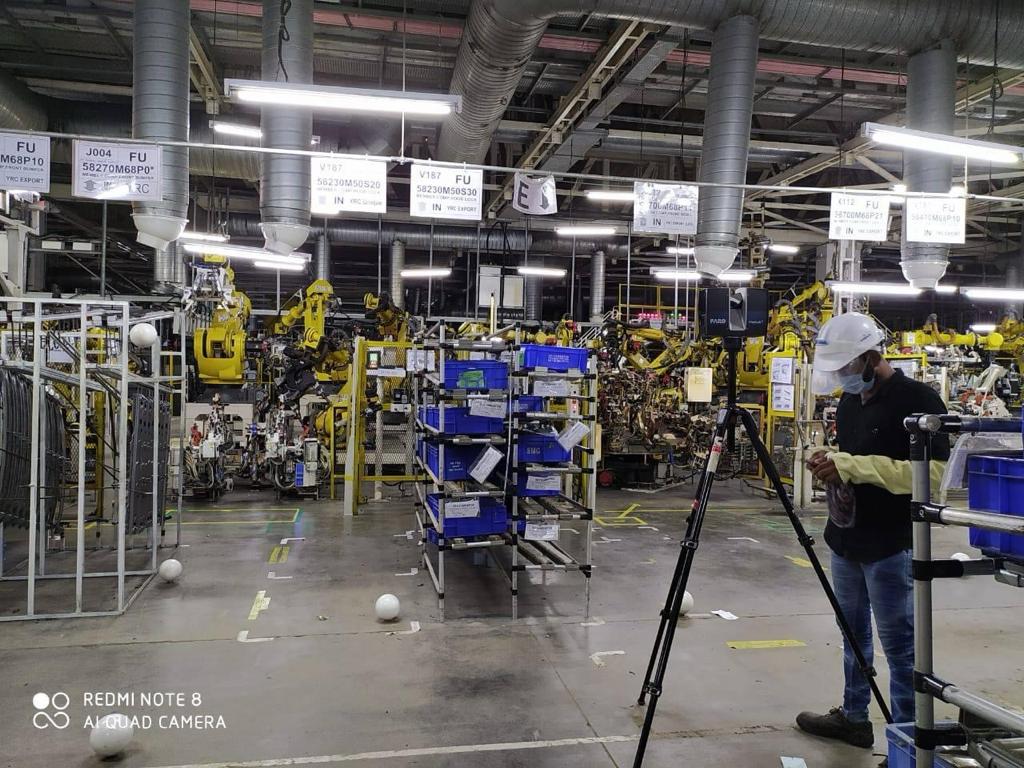
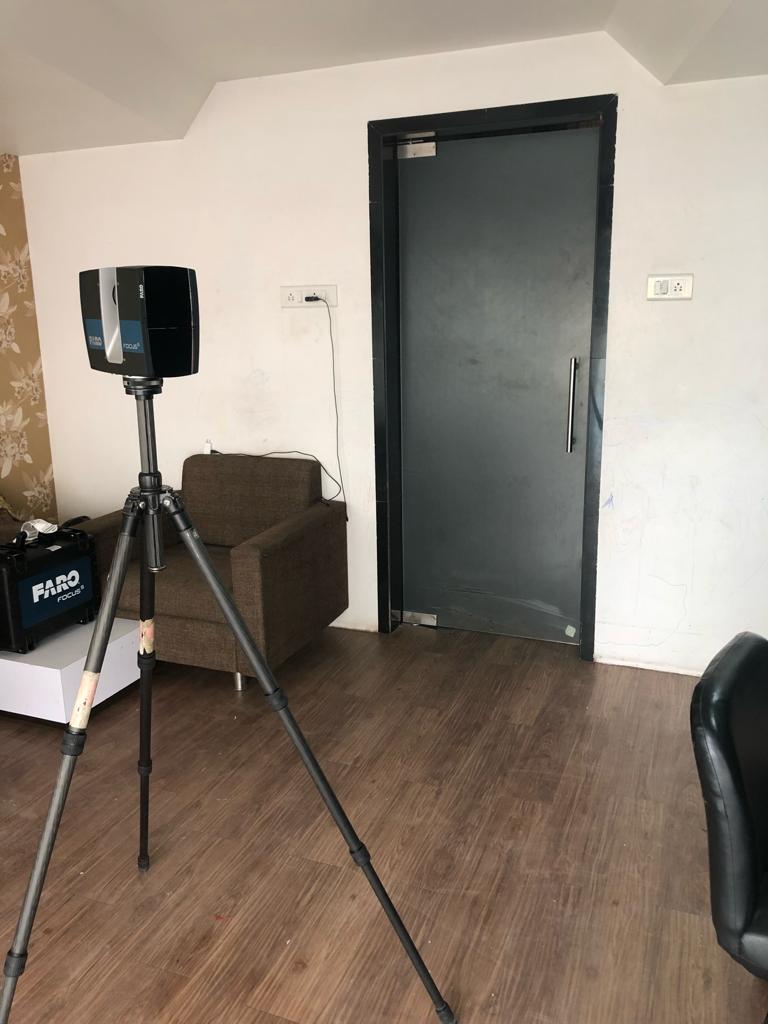
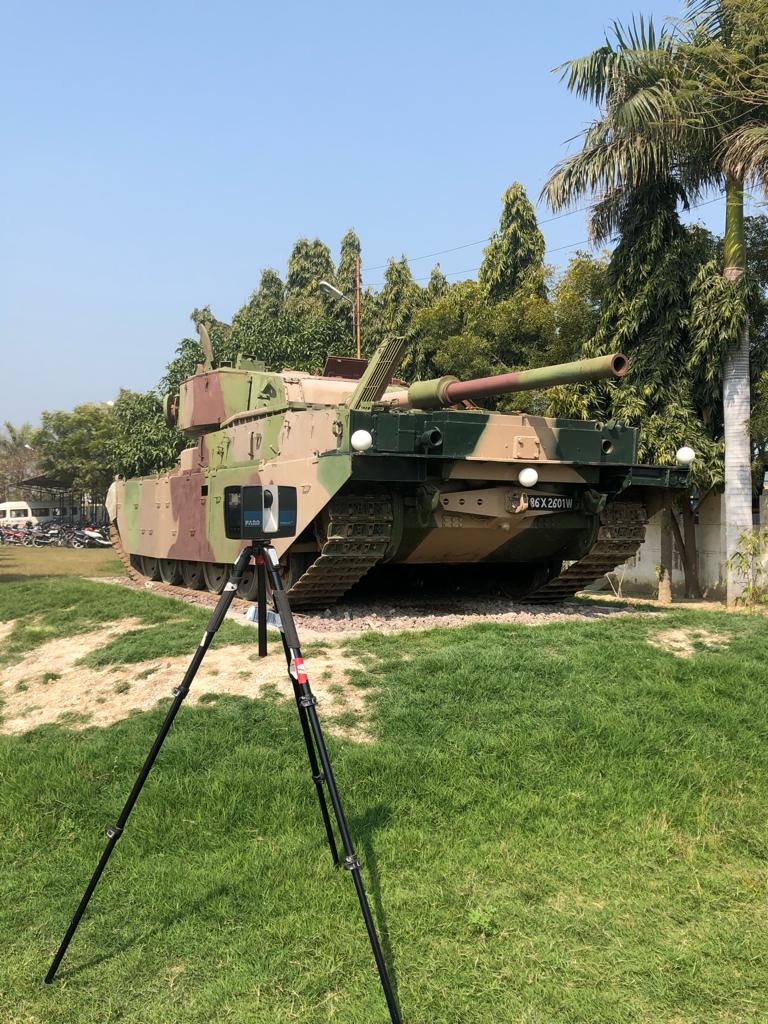
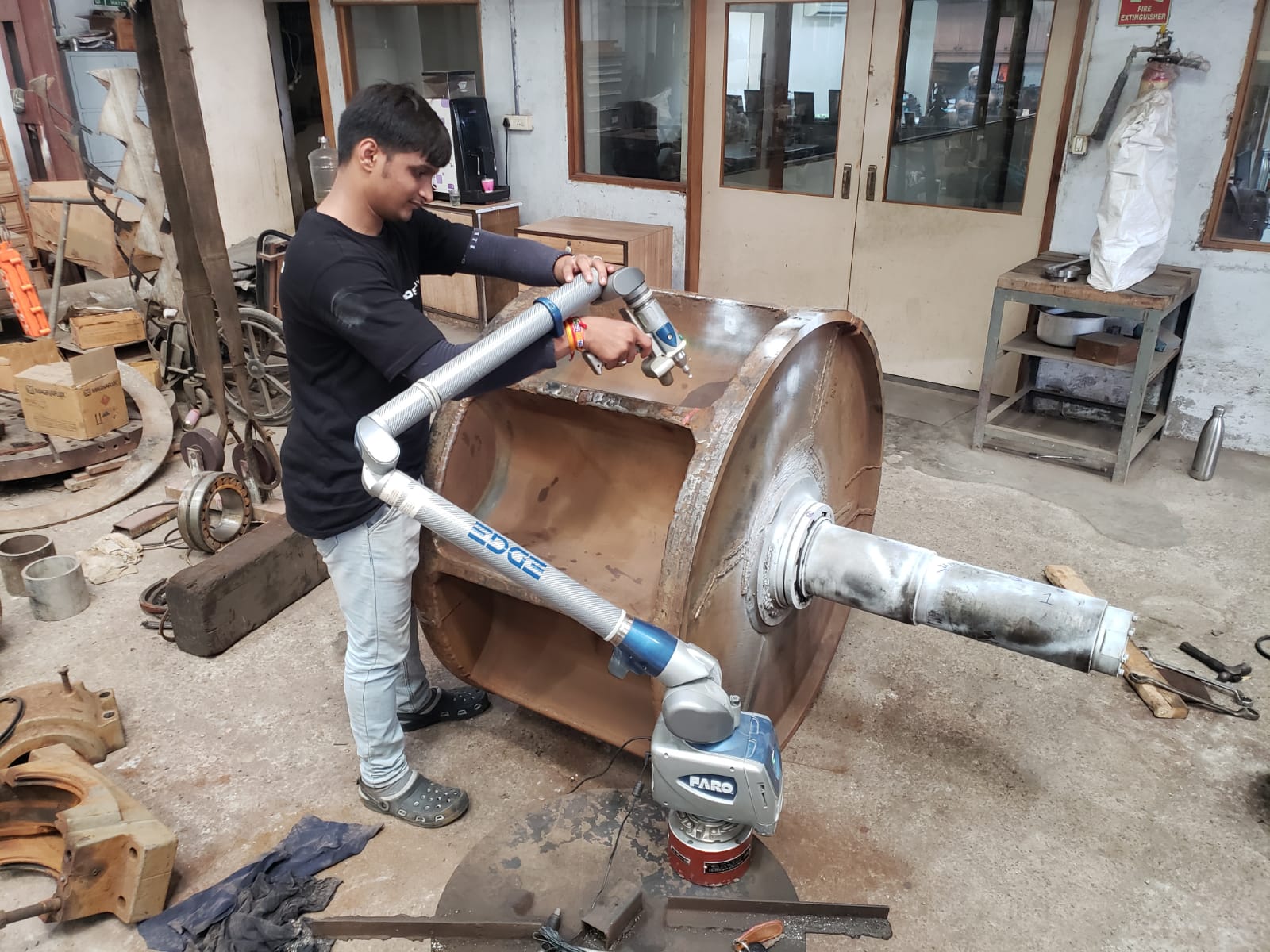
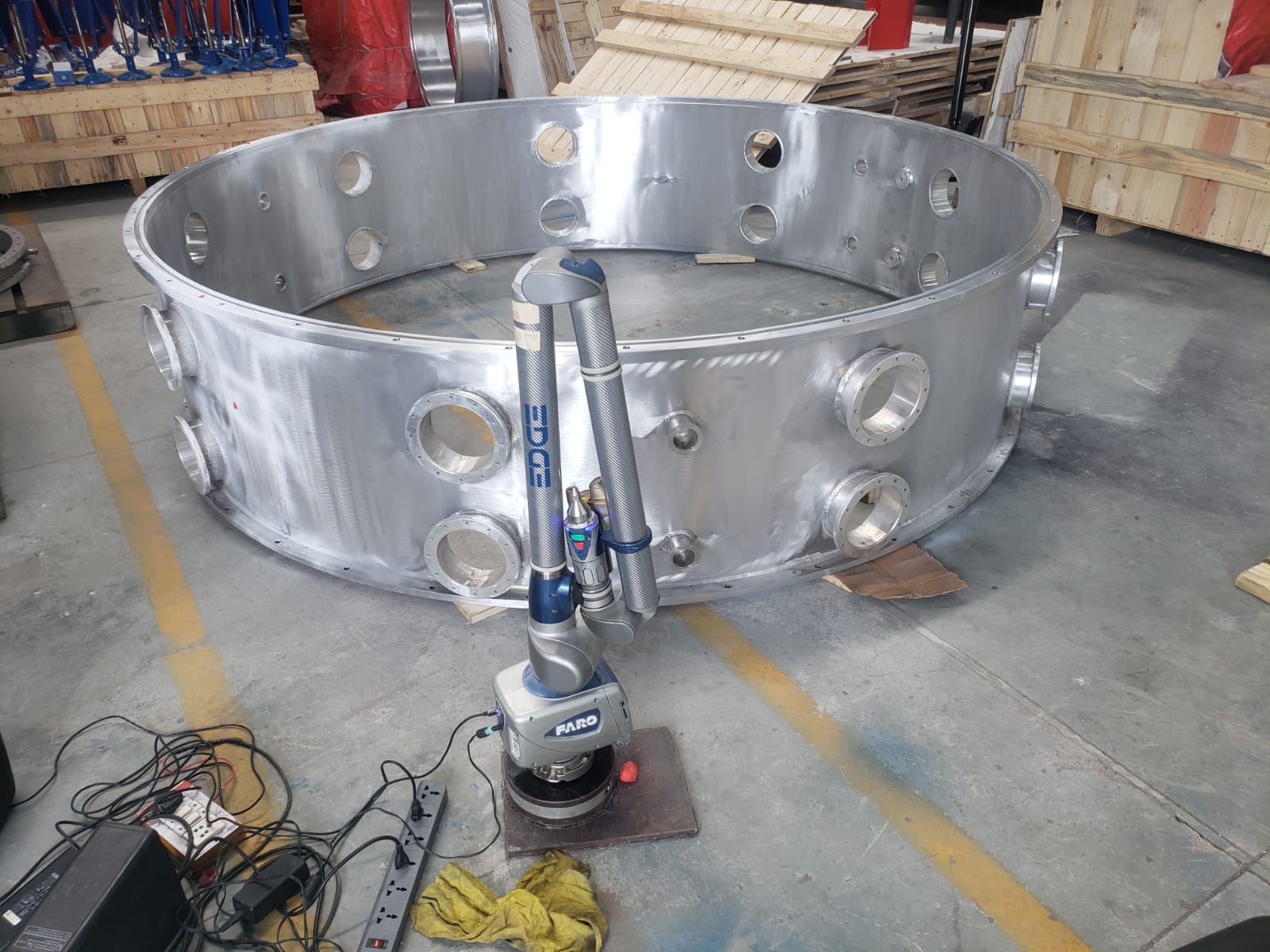
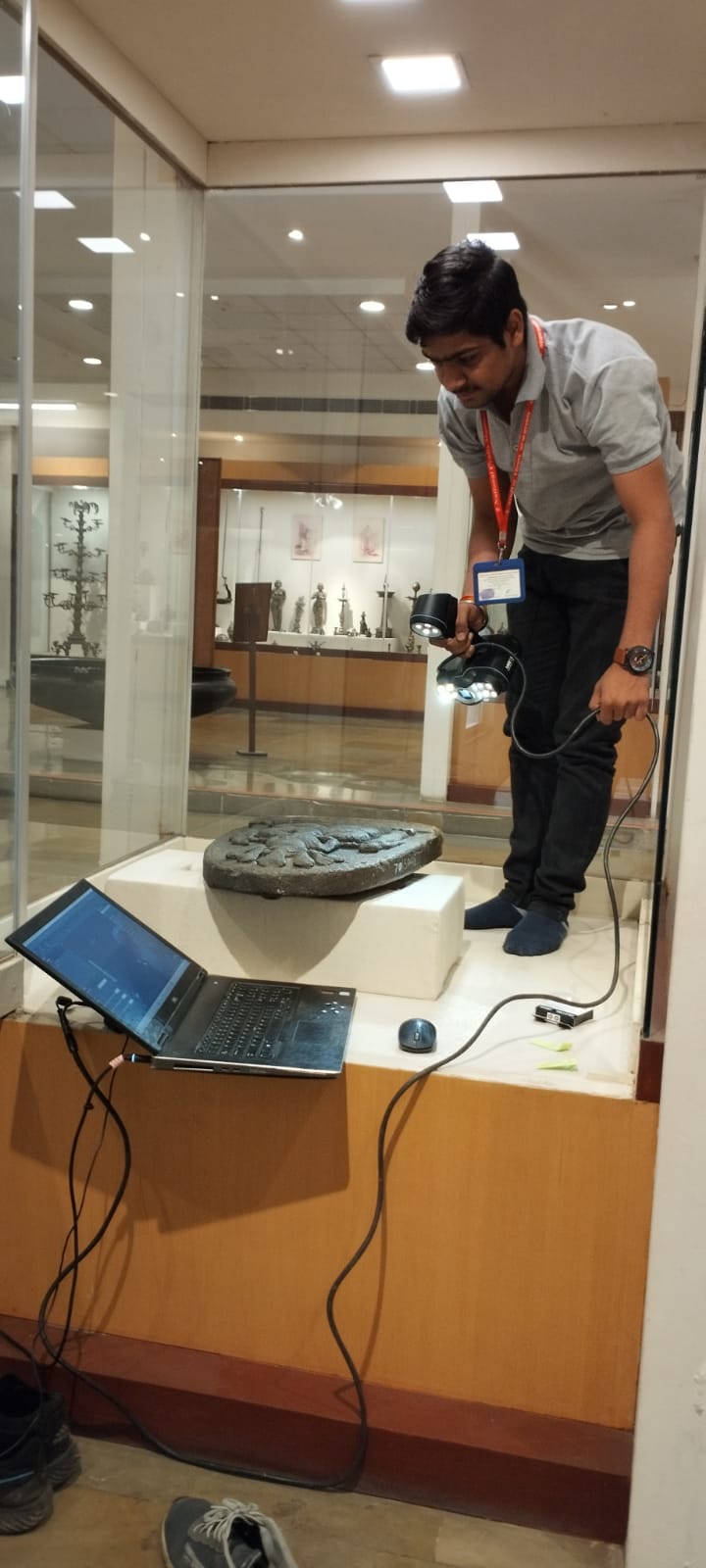
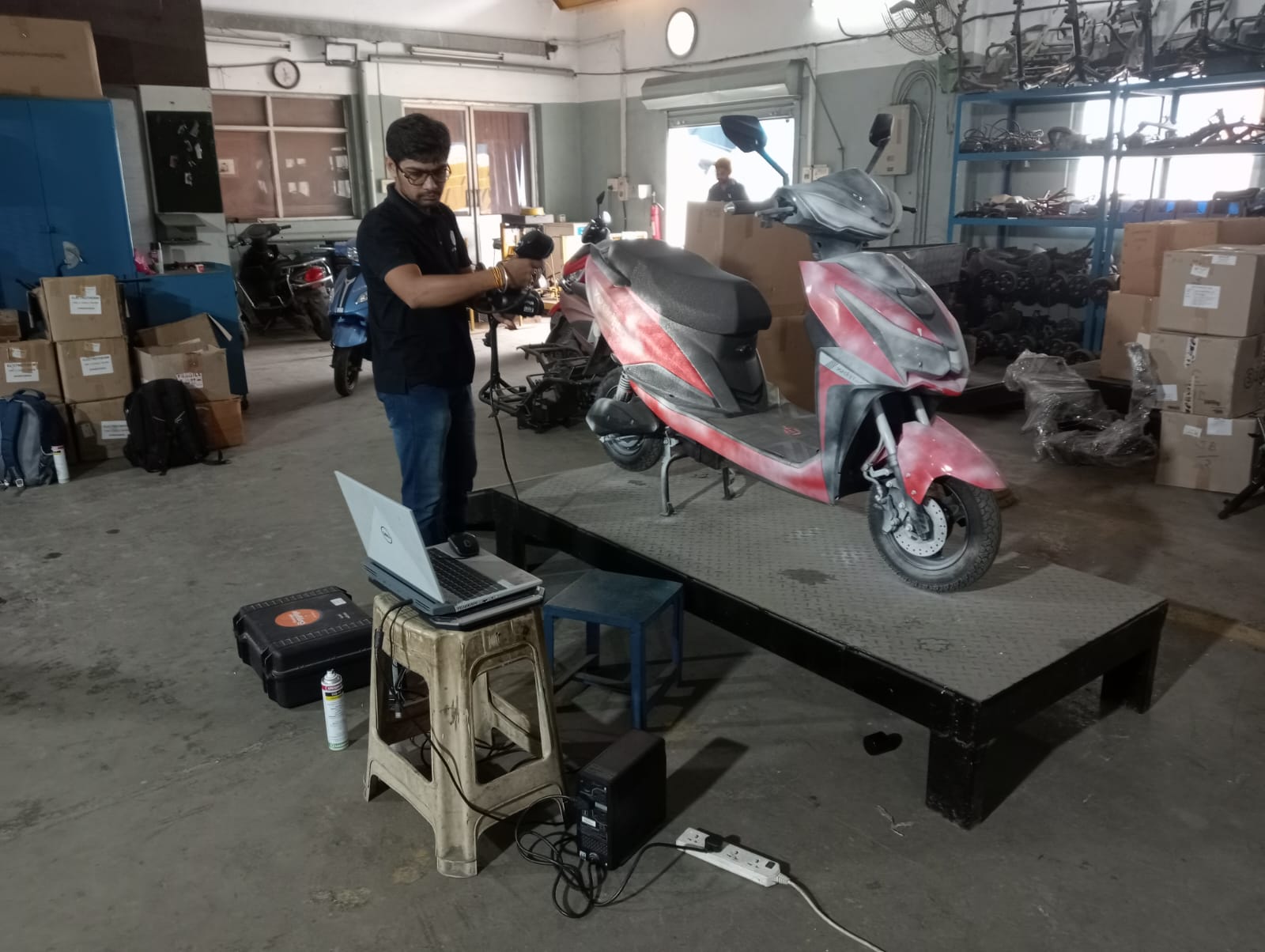
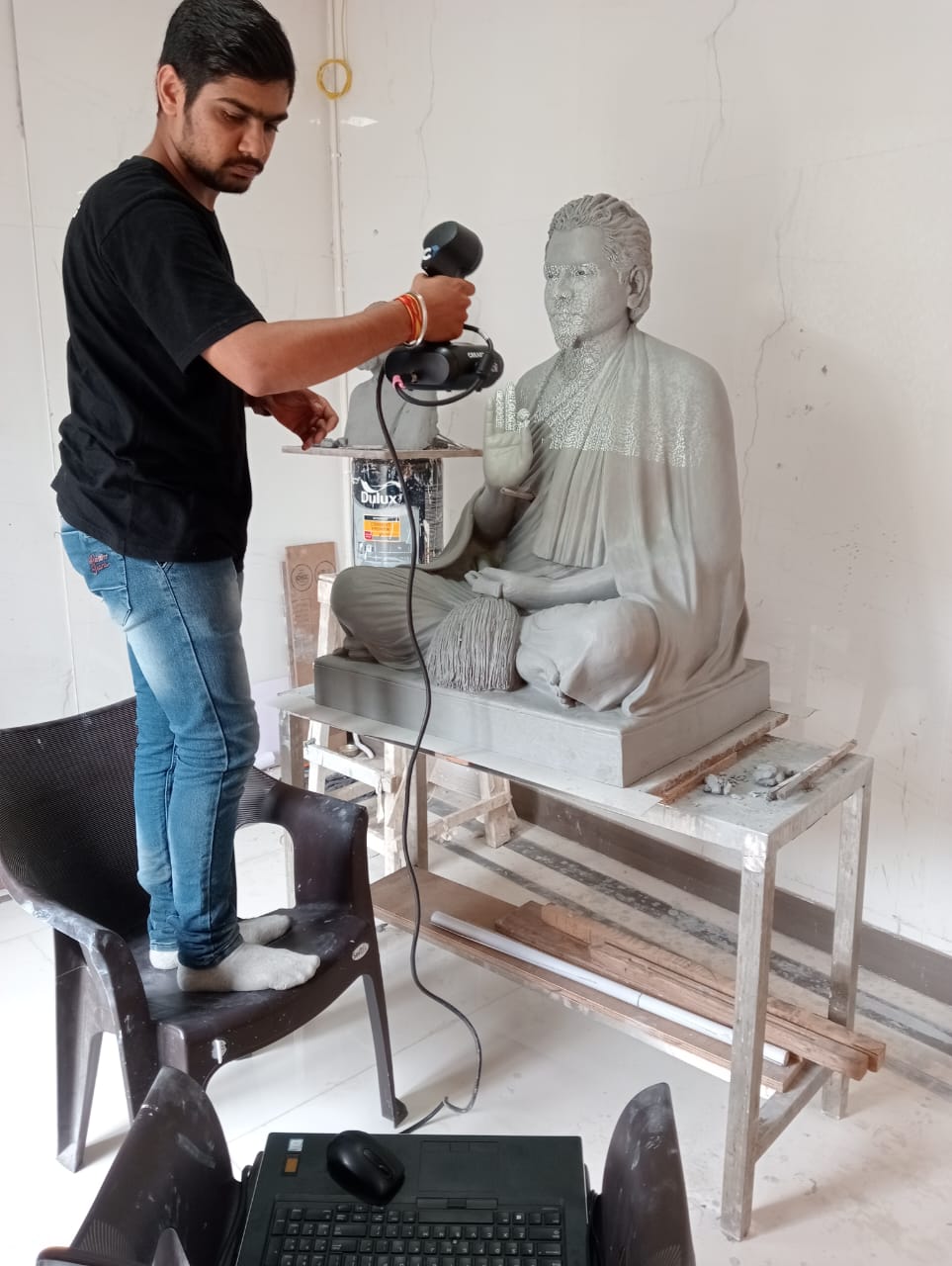
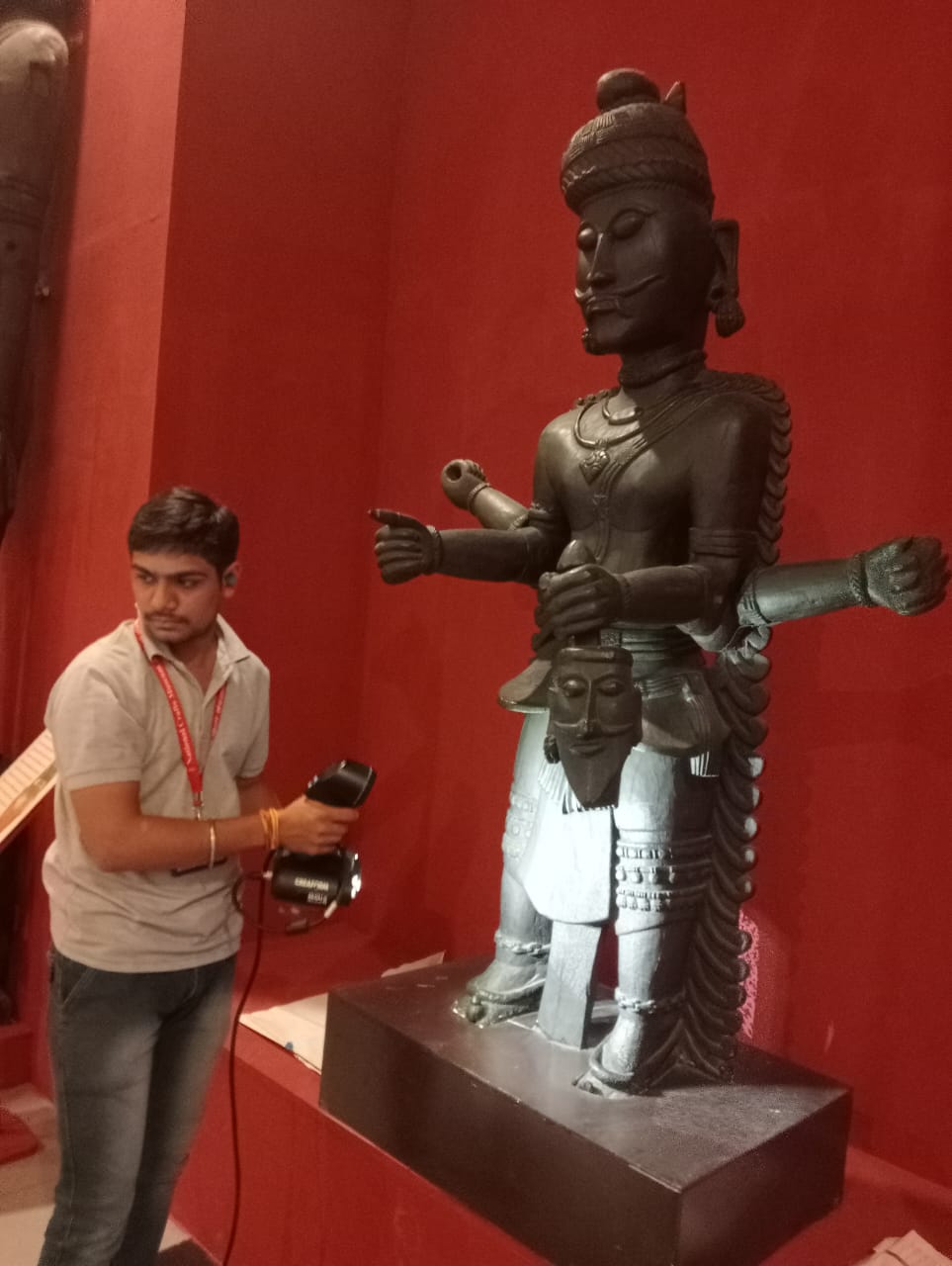
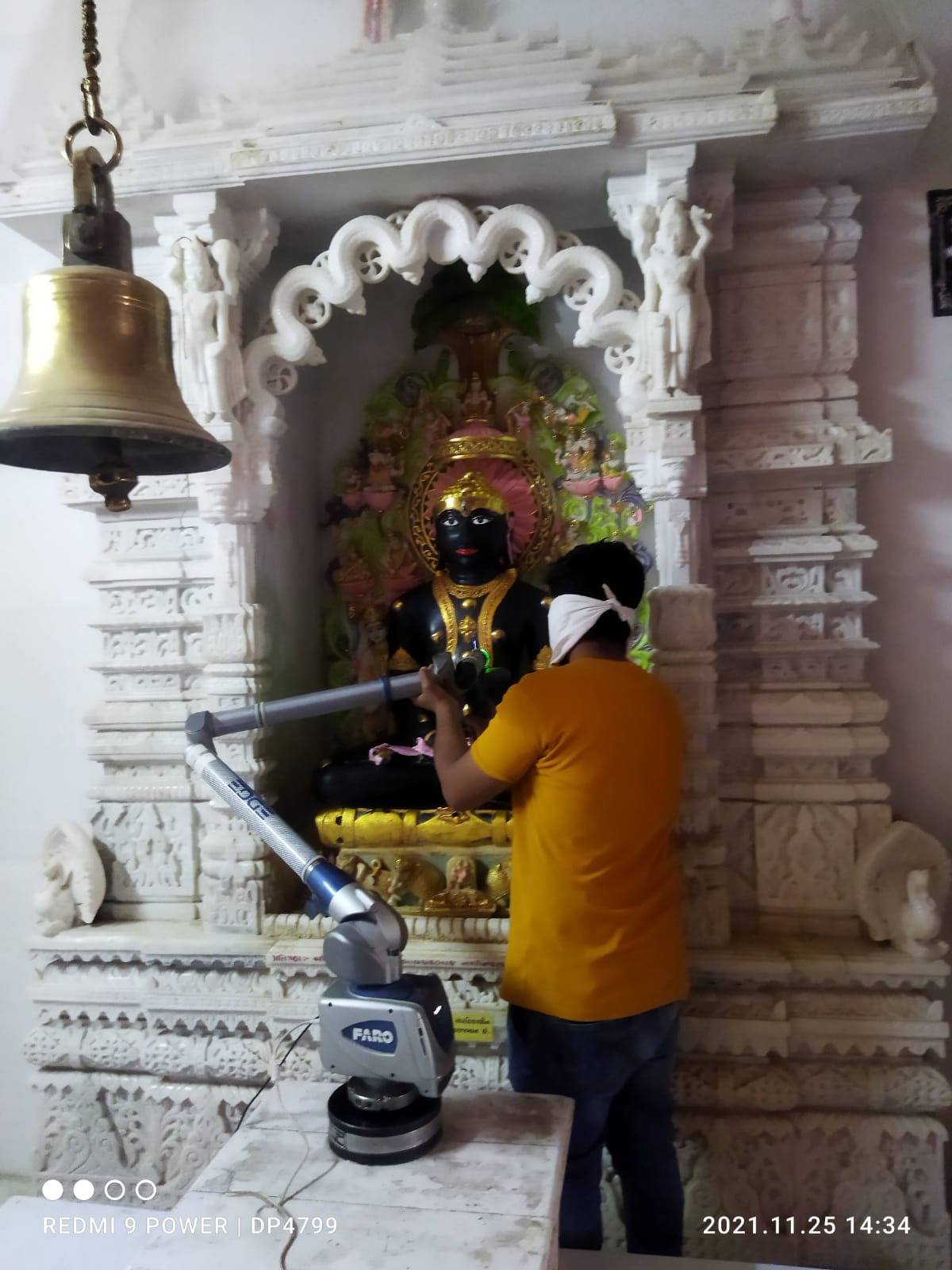
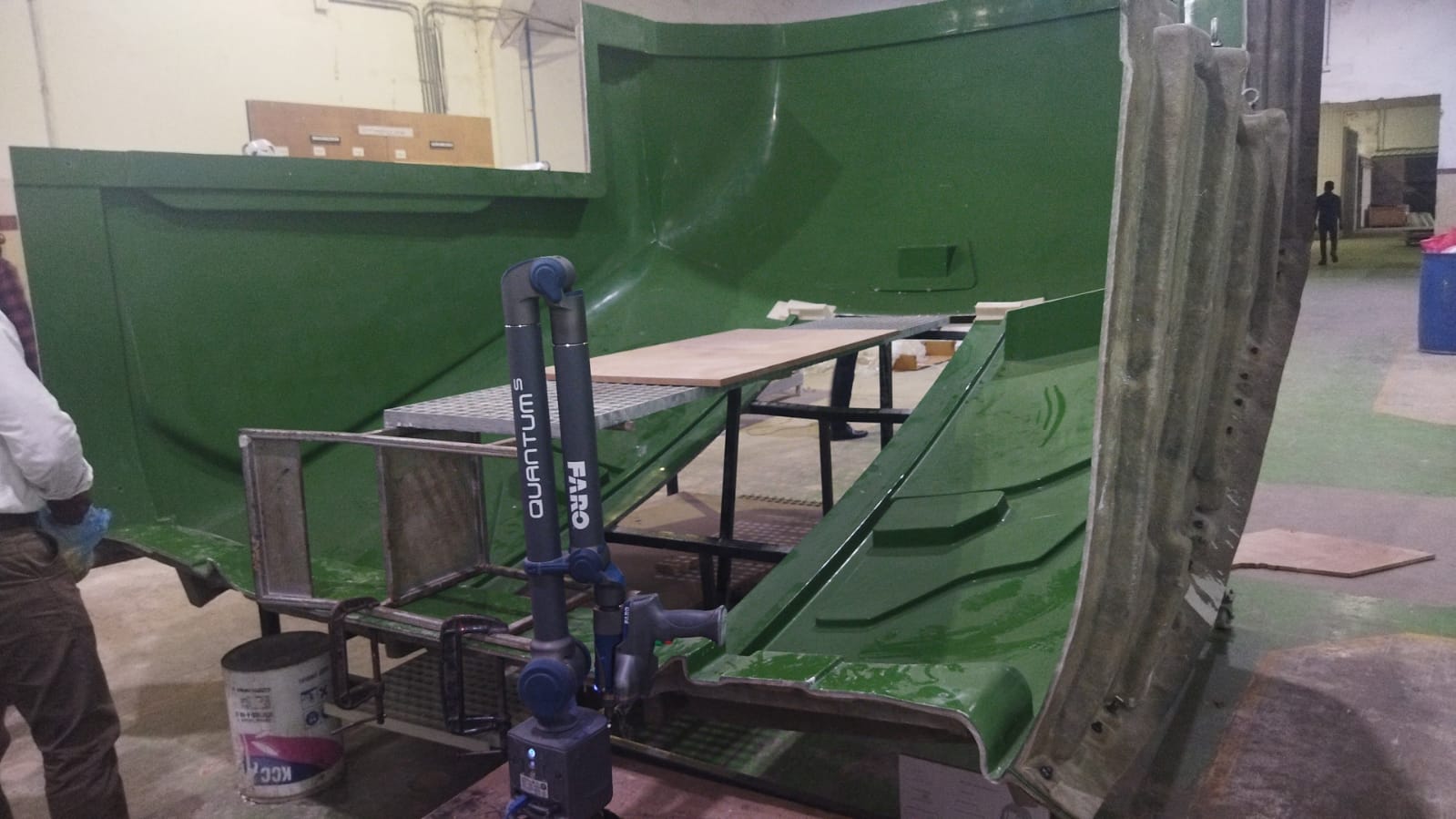
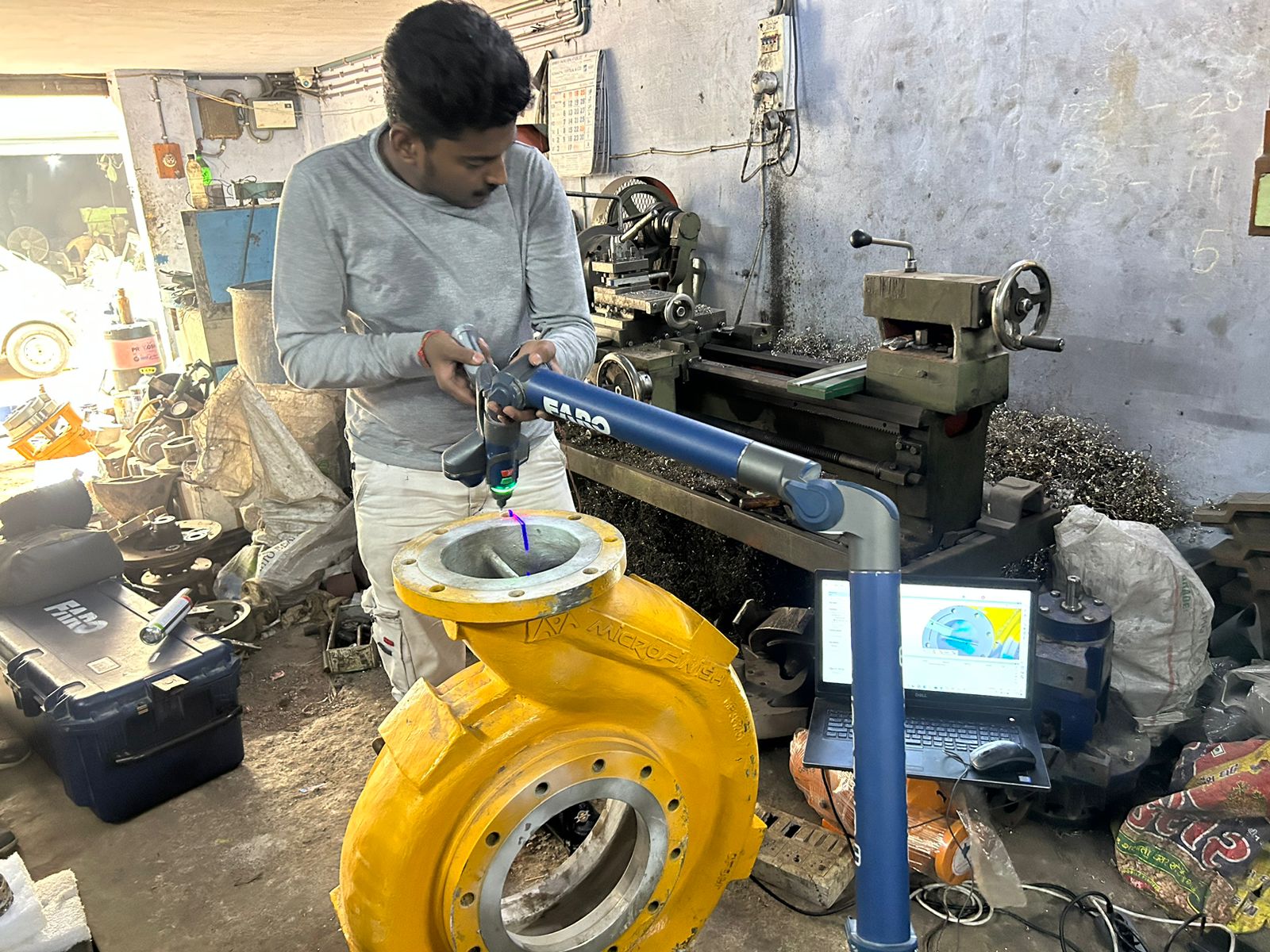
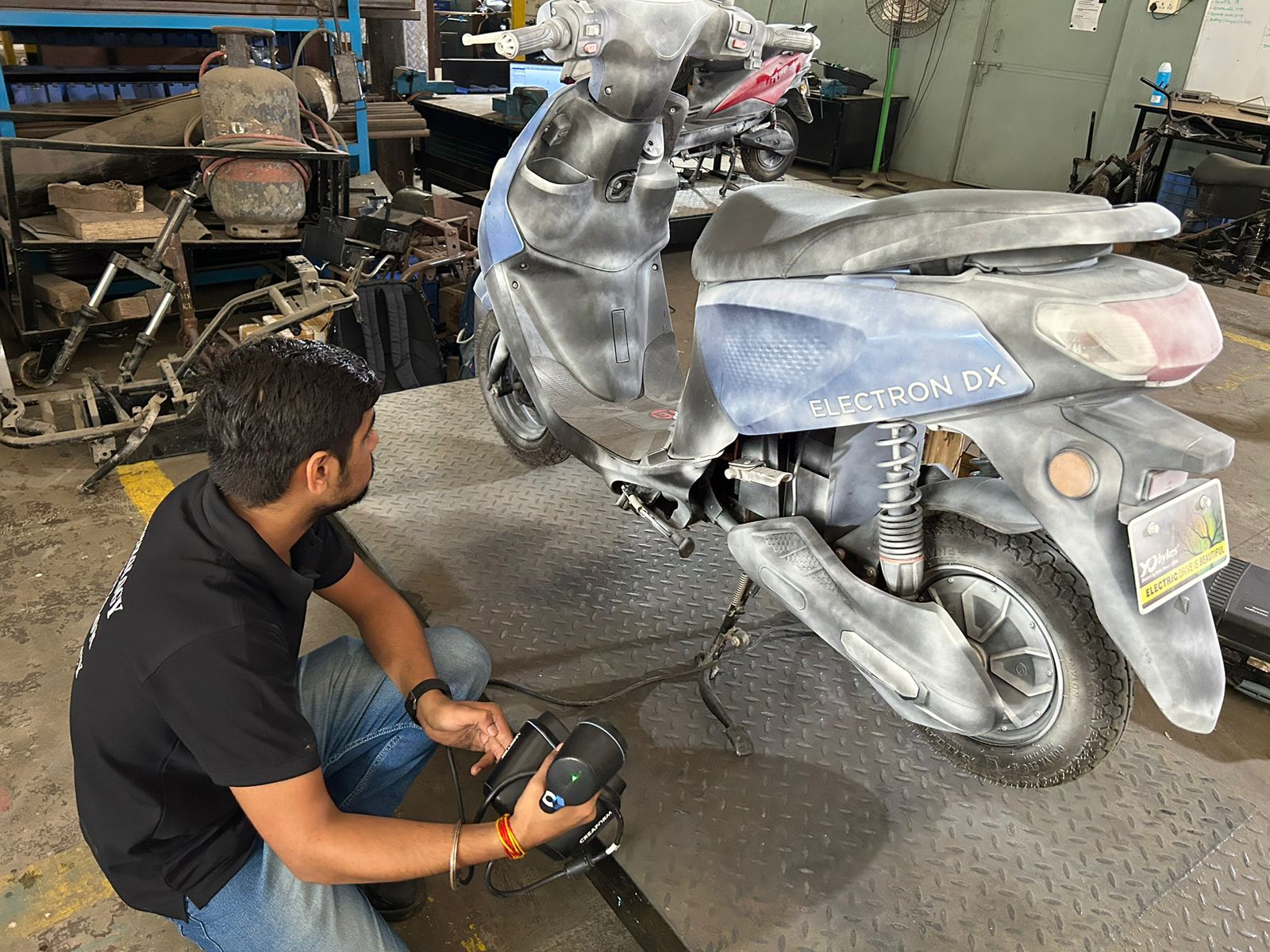
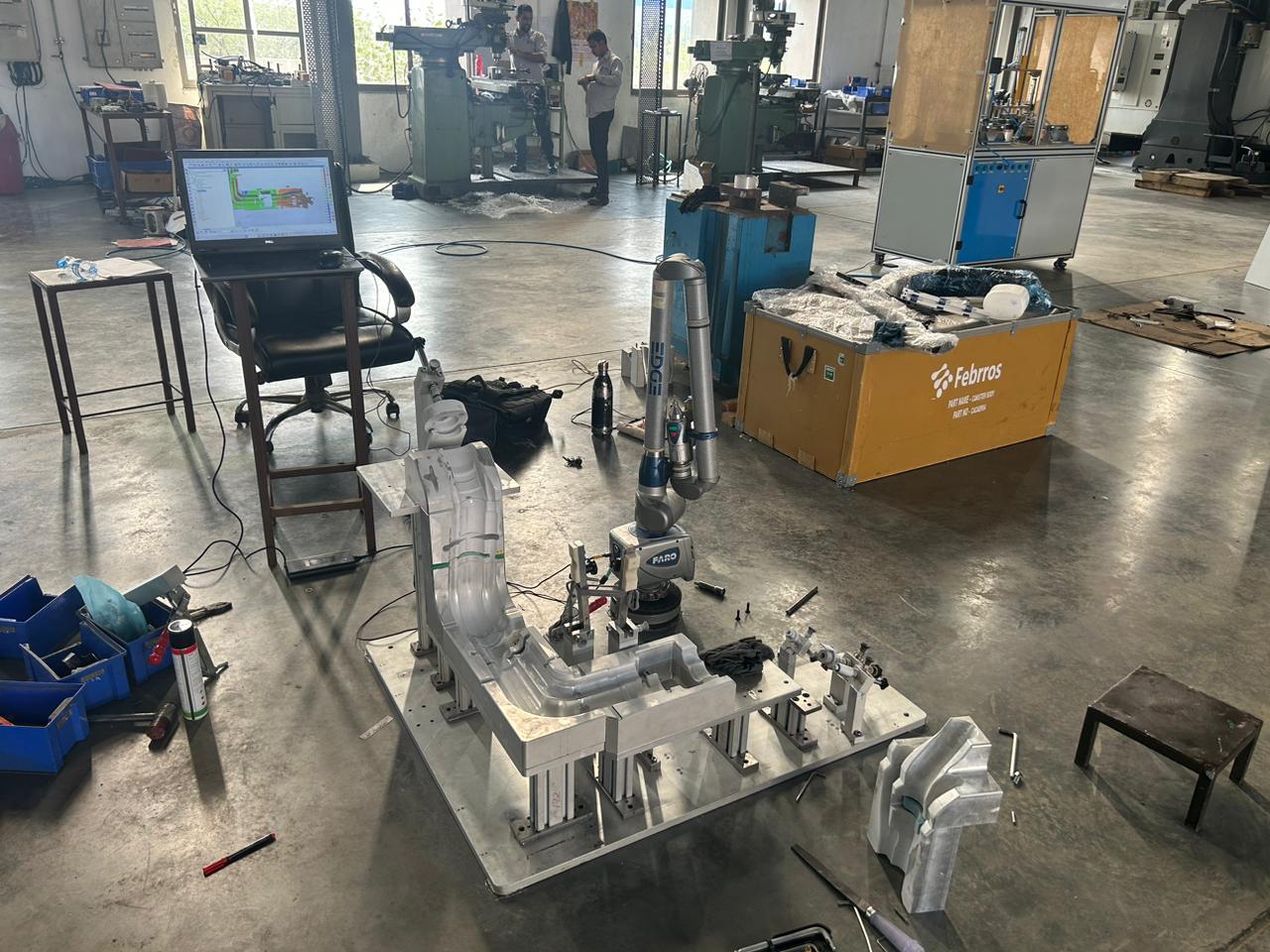
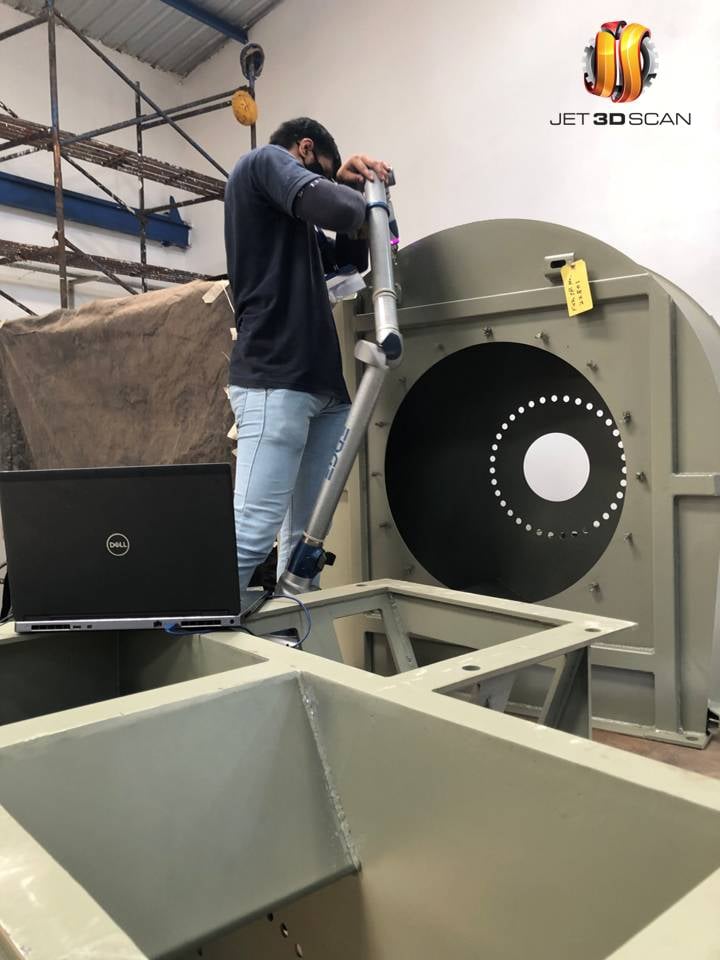
3D Scanning is a non-contact, non-destructive optical technology that captures the precise physical geometry, scan dimensions, and surface characteristics of real-world objects. By utilizing advanced structured light or laser measurement systems, 3D scanners generate dense scan datasets, known as point clouds, to reconstruct physical assets as high-fidelity 3D digital models within CAD environments. This bridge between physical reality and digital engineering enables seamless reverse engineering, rapid prototyping, quality control, and digital archiving.
Technical Applications & Engineering Value:
- Reverse Engineering & Parametric CAD: Converts raw scan data into fully parametric 3D CAD models and standard 2D technical drawings, enabling precise part replication and modification.
- Metrology & Quality Inspection: Performs GD&T surface deviation analysis via CAD-to-part comparison, instantly identifying manufacturing tolerances, warpage, and structural defects across complex geometries.
- Photorealistic Asset Creation: Captures high-resolution color/texture maps aligned with dense polygon meshes, delivering photogrammetric digital twins optimized for AR, VR, and cinematic VFX pipelines.
- Metrology-Grade Accuracy: Achieves micron-level volumetric precision, ensuring minimal measurement uncertainty.
- Non-Destructive Acquisition: Captures delicate, flexible, or intricate surfaces via non-contact optics without physical probe distortion.
- High-Density Data Rate: Collects millions of scan points per second, mapping complex freeform surfaces faster and more completely than traditional CMMs.
3D SCANNING TECHNOLOGY COMPARISON:
| Technology | Precision | Optimal Distance | Key Advantage | Typical Use Case |
|---|---|---|---|---|
| Contact (CMM) | ± 0.010 mm | Touch Contact | True boundary surface accuracy | Critical hole/bore machining tolerances |
| Structured Light | ± 0.100 mm | < 400 mm | High resolution & speed | Fine injection molds, organic/human geometry |
| Laser Triangulation | ± 0.025 mm | <105 mm | Handles dark/shiny materials well | On-site reverse engineering & shop floor QC |
| Terrestrial Lidar Scanning | ± 2 mm | Up to 150 m | Extreme operating range | Architecture, civil engineering, site surveys |
| Photogrammetry | Variable | Any range | Full-color texture detail & scalability | Visual effects (VFX), AR/VR digital twins |
 First of all Thank you to get done my work "Excellent", very supportive team, excellent service on time delivery. Sound in knowledge and Technology, proper guideline to save time and money. Thank You.
It is located at Sola (Ahmedabad). It is provided 3D work as Drawing,Inspection,Simulation and other 3D related Works.also i appreciation on him service.
Very very good experience Jayneel Patel.. Always ready to do critical work and give best results..
Excellent works quality, very good person as a businessman….
Given material before committed time…...
Excellent service provider.I want Reverse engineering & 3D scan model and they give me great response.Very very very impressive and accurate work.
The team is very cooperative and they provide excellent service and support. Has some of the latest technologies and well versed with its applicability. Overall the team is very helpful and had very s...
Excellent services ! They completed the job with high precision and before time! I want Reverse engineering & 3D scan model and they give me great response. Very very very impressive and accurate work...
Great place to make 3D CAD MODELS of your ideas and also to have its wonderful output on 3D printer at very good cost.
First of all Thank you to get done my work "Excellent", very supportive team, excellent service on time delivery. Sound in knowledge and Technology, proper guideline to save time and money. Thank You.
It is located at Sola (Ahmedabad). It is provided 3D work as Drawing,Inspection,Simulation and other 3D related Works.also i appreciation on him service.
Very very good experience Jayneel Patel.. Always ready to do critical work and give best results..
Excellent works quality, very good person as a businessman….
Given material before committed time…...
Excellent service provider.I want Reverse engineering & 3D scan model and they give me great response.Very very very impressive and accurate work.
The team is very cooperative and they provide excellent service and support. Has some of the latest technologies and well versed with its applicability. Overall the team is very helpful and had very s...
Excellent services ! They completed the job with high precision and before time! I want Reverse engineering & 3D scan model and they give me great response. Very very very impressive and accurate work...
Great place to make 3D CAD MODELS of your ideas and also to have its wonderful output on 3D printer at very good cost.